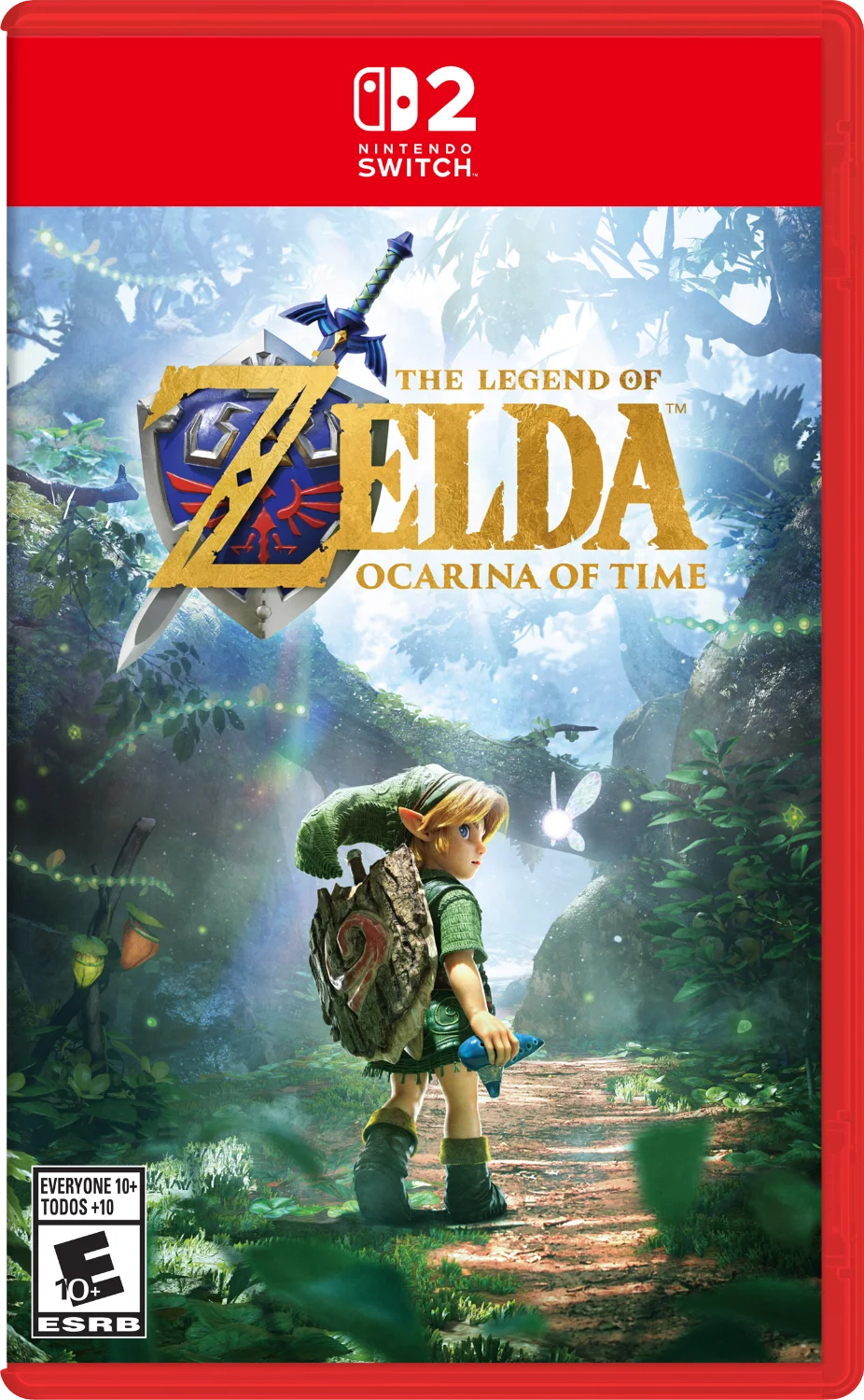
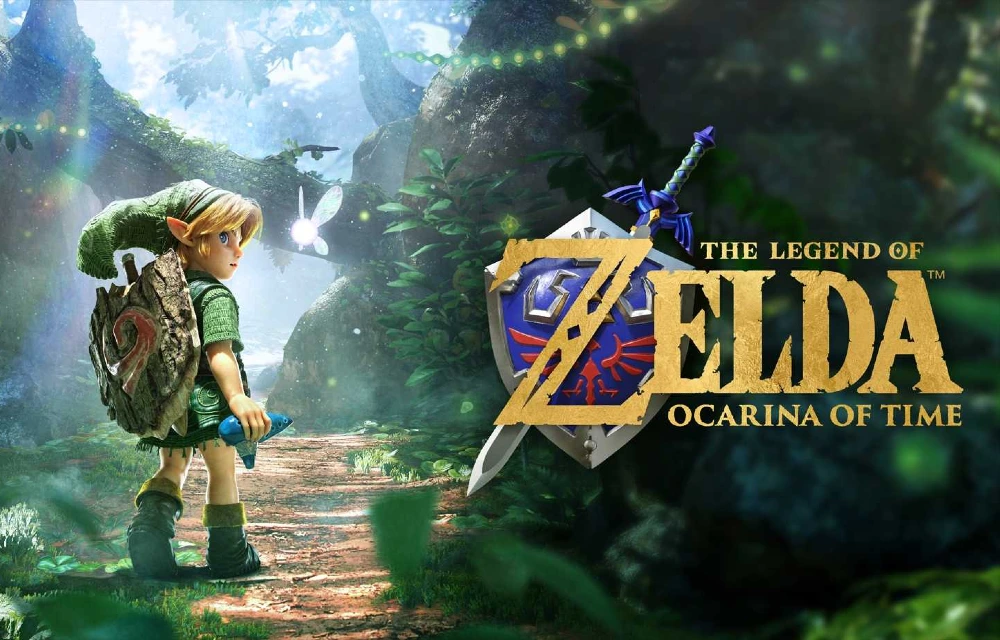
The Legend of Zelda: Ocarina of Time was my very first Zelda title, ever, and like Link’s Awakening DX, it holds a special place in my gaming history. Those titles largely stand the test of time - mostly - but returning to Hyrule on modern hardware is a different proposition entirely. For those complaining that Ocarina of Time for Switch 2 is an unnecessary retread, it’s worth noting that 2011’s 3DS port barely changed the core experience beyond a modest graphical bump and revised item management. I’d honestly call that version 1.1. The Switch 2 release, however, is a true ground-up remake. Like Nintendo’s best modern reimaginings, it walks a fine line between honoring the 1998 classic and updating its mechanics so it feels fresh for newcomers without alienating those of us who grew up with the original.
Ocarina of Time adheres to the classic Zelda formula codified in A Link to the Past: explore the overworld, conquer a dungeon, acquire a signature sub-item to beat the boss, and use that tool to unlock the next region. After players complained the formula had grown stale, Nintendo essentially pivoted back to its NES roots with Breath of the Wild and Tears of the Kingdom. Personally, I never thought there was anything wrong with the classic approach. Regardless of era, what makes a Zelda game great is a sense of adventure, discovery, and accomplishment - and this remake nails that timeless magic while making the moment-to-moment gameplay feel remarkably modern.
Much of that modernization comes down to the overhauled controls. Controlling Link on the N64 - and even the 3DS - wasn't exactly smooth, even if the swordplay had a certain charm. Here, movement is fluid in both his child and adult forms, and combat feels noticeably weightier and more responsive. Nintendo has also streamlined the cumbersome inventory management of the original. Sub-items are now mapped to ZR and can be cycled seamlessly with the L and R bumpers, while staple gear like the Ocarina, Iron Boots, and Lens of Truth are assigned to the directional pad. Paired with full right-stick camera control, gyro-assisted aiming for projectiles, and a new dedicated dash button that makes early traversal across Hyrule much more tolerable, the game has never felt better to play.
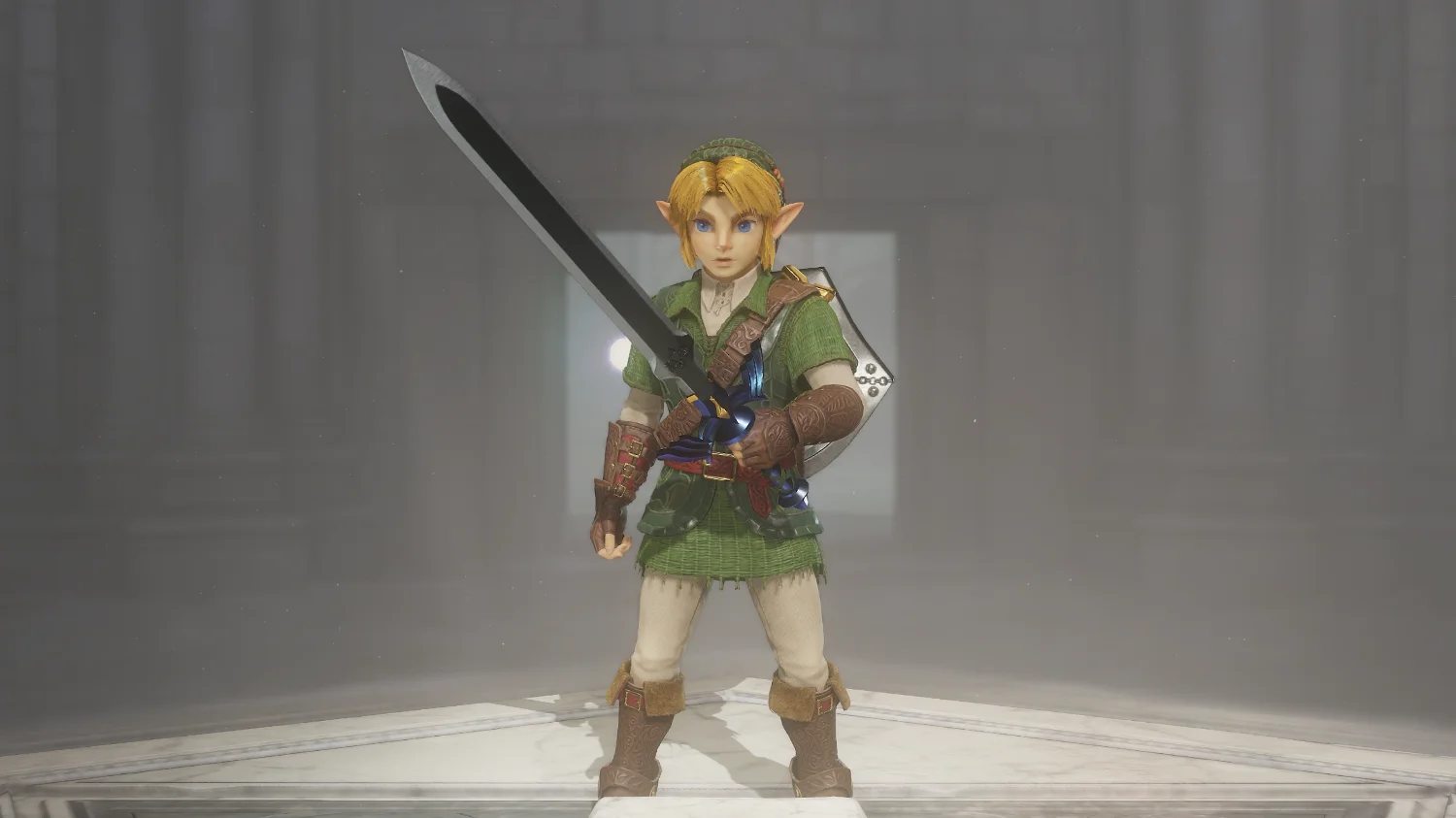
In terms of game design, I wouldn’t call this a strict 1:1 recreation, nor are the changes drastic. The overarching story progression remains intact, allowing N64 veterans to navigate mostly on muscle memory, yet there were plenty of moments where big and small tweaks caught me off guard. The overworld zones have been subtly expanded to take advantage of the Switch 2’s hardware, enriching the storybook fantasy setting while making exploration feel less like a chore. More importantly, the dungeons - always the game's greatest strength - have been thoughtfully refined. The Water Temple is far less tedious to navigate, and notorious friction points have been quietly excised. Remember climbing the vines in the Forest Temple, trying to deal with that third Skulltula before you had a weapon with enough range to hit it? It’s gone - and my immediate reaction was a genuine, "Oh, thank god." Boss encounters have received similar care, with fights like Morpha feeling more dynamic and less aggravating than they did decades ago.
That said, a few choices keep the remake from being completely frictionless. The controls do have one major caveat: gone is the automatic ledge-jumping of the original, replaced by a dedicated jump button à la Breath of the Wild. Younger, newer players won't blink at this, but nearly-forty-year-old me definitely mistimed a few leaps while fighting twenty-eight years of muscle memory. Elsewhere, the Gold Skulltula quest is still pointless to finish 100% (you can still stop halfway for the Piece of Heart), and Great Fairy upgrades now require escalating Rupee fees. I actually didn't mind the latter, as it finally gives the game's Rupee economy a real purpose, though newcomers might find farming currency a bit slow. My biggest disappointments, however, are missed opportunities: the lack of a post-game Master Quest or hard mode is a noticeable letdown, and Hyrule Field? It’s still just as empty and boring as it was in 1998.
Visually, Ocarina of Time is easily one of the best-looking games on the Switch 2. Running at a locked 60 frames per second, the environmental art direction is stunning, and the redesigned enemies and bosses ooze personality. While the stylized character models for Link and Hyrule's NPCs retain some of the quirky proportions inherent to 3D Zelda titles, the revamped cutscenes feature expressive animation and cinematic framing that completely erase the stiffness of the N64 era. My only minor visual nitpick is that Impa looks a bit more masculine than I remember - though considering the original was made of sharp polygons and infamous pointy triangles, I’ll gladly take the trade-off.
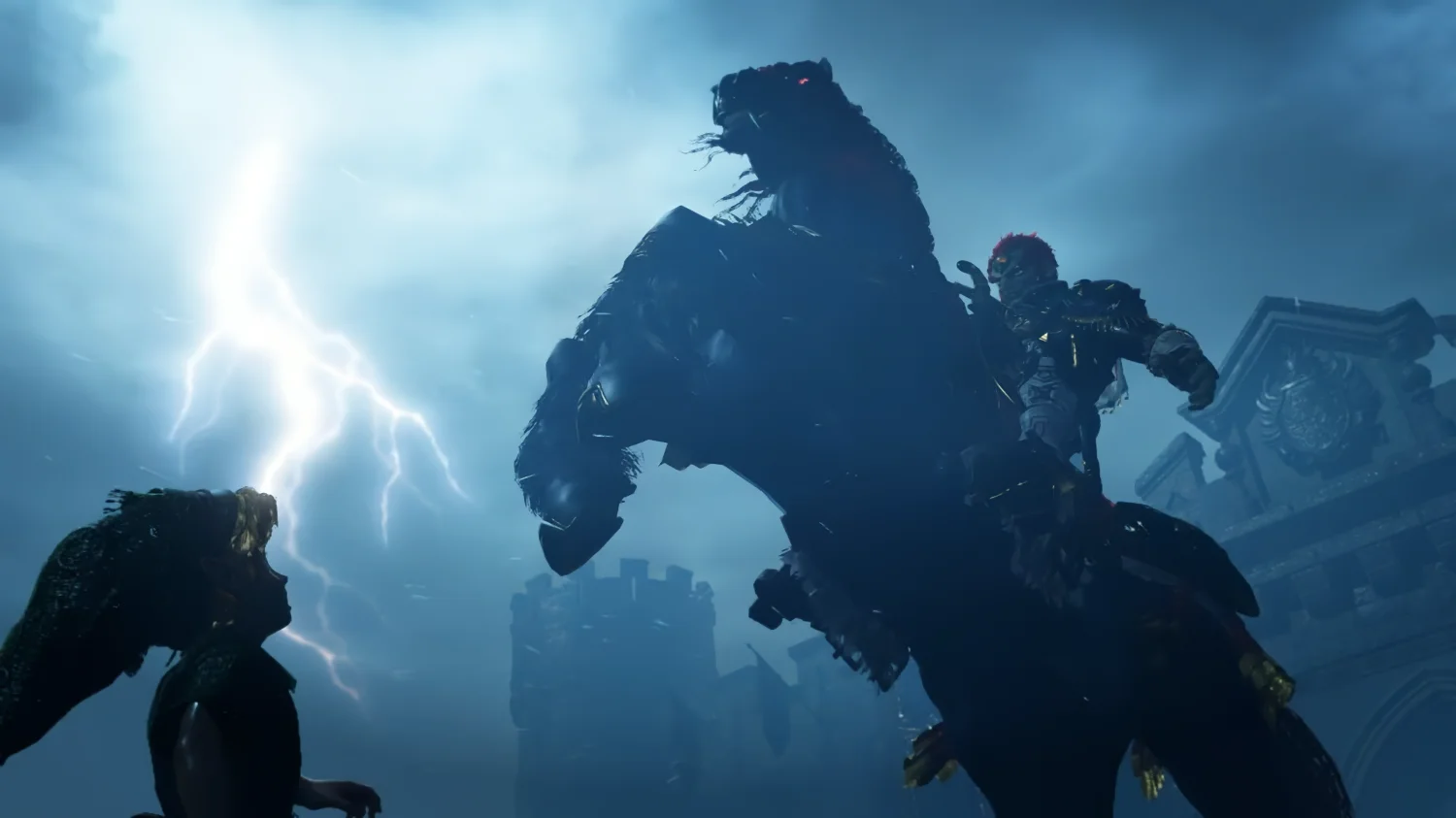
The audio presentation is an absolute treat. The iconic soundtrack has been rearranged with live instrumentation while cleverly retaining subtle nods to the original N64 sound samples, supplemented by new compositions for the story sequences. Perhaps the biggest surprise is the addition of full voice acting. Having played through both the English and Japanese tracks, the performances are uniformly strong, with Matt Mercer delivering a standout, commanding turn as Ganondorf that builds nicely on his work in Tears of the Kingdom and Age of Calamity.
To put it simply, Ocarina of Time on Switch 2 is a fantastic remake that will please just about everyone. While the lack of a New Game Plus stings slightly, the Zelda team took immense care not to paint over the charm that has defined this game since 1998, elevating its controls, visuals, and pacing for a new generation. Whether you’re returning to Hyrule or experiencing it for the very first time, this is an unforgettable adventure - now let’s see how quickly Nintendo can get a Majora’s Mask remake out the door.