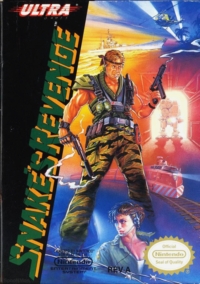
Hideo Kojima’s Metal Gear series enjoys the distinction of being an icon that still resonates with the majority of the gaming community. Even if you've never played any of them, chances are you've at least heard of it by now. With all of the positive attention that the relatively recent Metal Gear Solid 5 has received, it’s easy to forget about the game that that could have potentially killed the series. And no-- it’s not MGS 2 (although I’ll never forgive it for those protracted conversations between Raiden and his nagging girlfriend). Nope, I'm referring to something much, much worse-- Snake's Revenge.
When I was fourteen, we went on a family road trip to Disney World. Looking back at our photographs, you would think that it was a magical vacation filled with laughter and smiles. I remember a much different trip, filled with stress and a terrible tension between my parents. Final Fantasy XV is proving to be a very similar experience for me; I look back at my screenshots of this adventure and they only show the high points of my trip, and don’t reveal my frustrations and issues with the game.
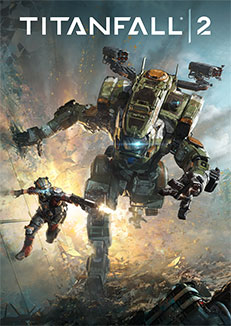
The original Titanfall had such an amazing idea: Soldiers who can run on walls with jetpacks summon giant mech suits known as Titans. Normally I play a few matches of multiplayer before getting bored and back to the single player, but I took a gamble in Titanfall’s multiplayer only offering. And despite being too light on content, there was enough depth to keep my 200th match in Titanfall as fun as my second.
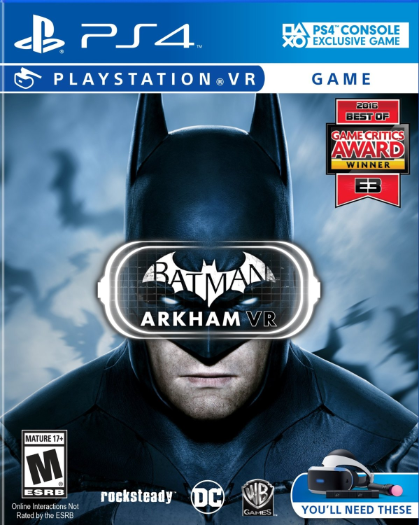
After spending time wearing the cowl of Batman in four games since 2009, I wasn’t all that interested in Batman: Arkham VR. It had “tech demo” written all over it, and seemed like an easy cash grab for the crucial first slate of PlayStation VR. Now that I’ve played through it I can easily say that it is far beyond what I expected, and while I had thought I had already worn Batman’s cowl it was another thing entirely to put it on myself.
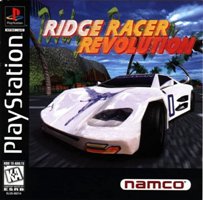
I’ve always enjoyed the early Ridge Racer series. I fondly remember playing the original game over a friend’s house, wishing that I had a PlayStation of my own to play it on. It was very accessible and didn’t take a tremendous effort to make it past the learning curve. And not much has changed here in Ridge Racer Revolution. On the surface, it plays much like its predecessor. It even starts off with a Galaga ‘88 mini-game similar to the Galaxian one in previous game. Some regard Revolution as “Ridge Racer 1.5” due its similarities to the original, which is somewhat understandable since this game went for full price upon its initial release. Even so, Ridge Racer Revolution received a few nice tweaks that made it a decent step up from its predecessor.
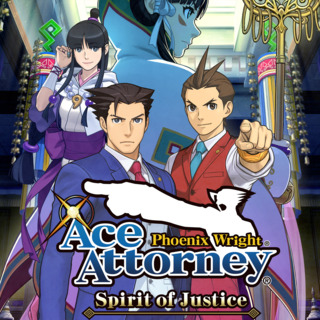
“Well Mr. Wright, would you care to explain how the witness could been at the crime scene during this time?”
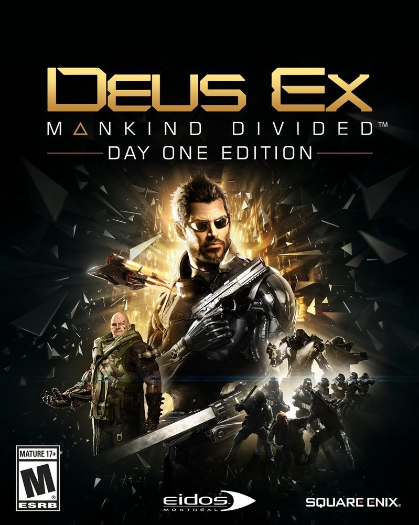
As video game enthusiasts, we tend to want sequels to be these huge shifts from the previous iteration of a series, sporting tons of new features and locations while retaining the core concepts that made the game fun in the first place. It’s a tall order, and obviously some sequels nail this formula while others miss the mark entirely. Then there are games like Deus Ex: Mankind Divided, which is “just” more of the same mechanics and progression as seen in 2011’s Human Revolution. While there is little to set Mankind Divided apart from its predecessor that isn’t a bad thing, is it?

One of my favorite things about being a gamer is that most games expect me to assume an identity outside of myself; someone or something that is capable of amazing and impossible feats, powers or talents that are beyond anything I will ever grasp in my actual life. N++, the platformer sequel to the popular N and N+ games, bestows a unique new persona upon us: you are a ninja with an accelerated metabolism. You are able to use momentum to run, jump, climb, collect and pass through a series of five levels like a boss. What’s the catch? Your lifespan is only 90 seconds.
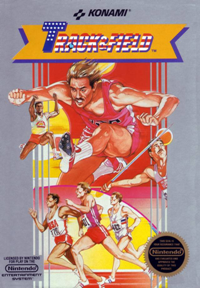
Well, it's that time again-- the time that comes around every 4 years when hundreds of athletes from around the world compete in some of the most physically demanding competitions ever. Each athlete is highly skilled in their discipline of sport, but only the best get the gold. Of course, I'm talking about the 2016 Summer Olympics taking place in Rio de Janeiro today. With this exciting occasion just hours away, now is as good a time as any to take a look at Track & Field from Konami.
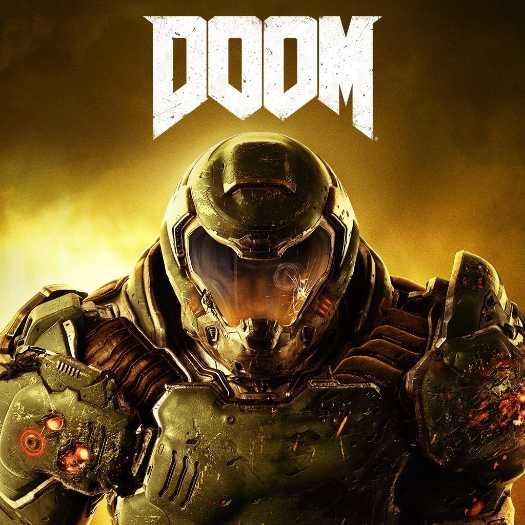
It is only thirty-eight seconds from the time you begin a new game of Doom before you have a weapon in hand and are blasting demons away. In a world where multi hour tutorials and constant hand holding is the norm, the way that the modern iteration of the classic first person shooter begins is a breath of fresh air. It makes for a stellar first impression, which gives way to one of the most entertaining, fast-paced, and satisfying action game I have played in years.
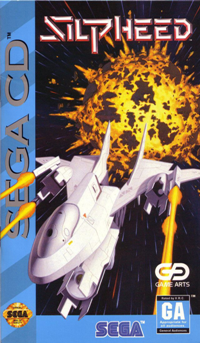
When Game Arts released Silpheed on the Sega CD in 1993, the game was frequently compared to Star Fox; the latter usually winning over critics more than the former. Being released within 6 months of Star Fox and featuring a similar visual theme of polygon graphics, Silpheed was sometimes written off as a mere knock-off of Nintendo’s successful three-dimensional shooter. A somewhat misguided conclusion considering that Silpheed was originally released on the PC platform in 1986, pre-dating Star Fox by seven years. It was also criticized for being too simplistic with its 2D shooter mechanics against the pseudo 3D background. But a deeper look into the gameplay of Silpheed (and some honest hindsight) reveals a game that stands on its own and delivers a fairly unique experience rarely had in home console gaming at that time.
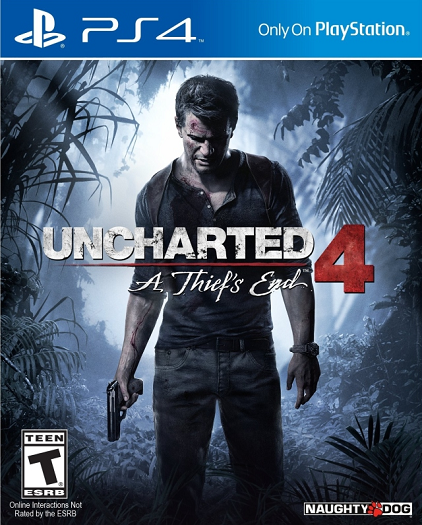
Uncharted has always been all over the place in terms of quality. The first title is pretty mediocre despite fantastic production values. Meanwhile I consider Uncharted 2 to be one of the greatest video games ever made, a game which I replayed many times and love every second of. Then the PS3 trilogy ended with Drake’s Deception, which offered a fantastic first half and a very inconsistent second half. So it feels fitting that Uncharted 4: A Thief’s End overall ends up as a perfectly satisfactory game. A game with its moments of brilliance, yet never quite manages to bring the product as a whole up in the end.

I believe you can make a good game out of anything. Pulling off some concepts will be harder than others, but if the right approach is taken, then even the most boring or trite idea can be turned into something extraordinarily engaging and compelling. The reason I believe this is because of my strong love for the Ace Attorney franchise, video games where you play as a lawyer defending clients. Yet these are also games where just tapping “Present evidence” on a touch screen can have me shaking from anticipation and excitement.
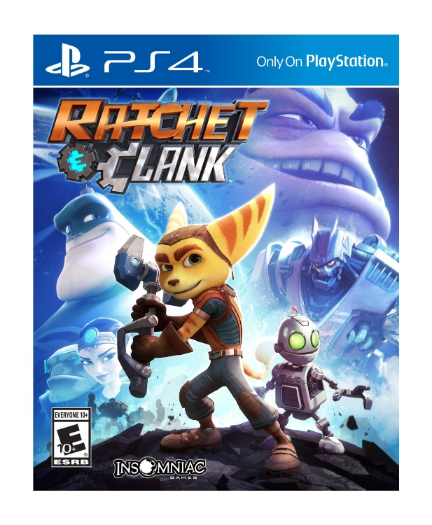
I have always had a strong love for the Ratchet and Clank series ever since I first picked up A Crack in Time for my then new PlayStation 3. I fell in love with its creative weapons, excellent sense of humor, and charming world and soon proceeded to blast through the series, replaying most of the titles over and over. When I eventually got around to trying the original game, however, I was quite underwhelmed. It felt like an experiment, a game with a good idea of giving a platforming mascot weapons, yet none of the ideas really came together. The franchise did not really find its footing until the sequel Going Commando with the third title Up Your Arsenal perfecting the foundation and future titles merely adding extra tweaks and polish. So when I heard the first game was getting remade with the modern design choices the sequels provided, I was naturally excited.
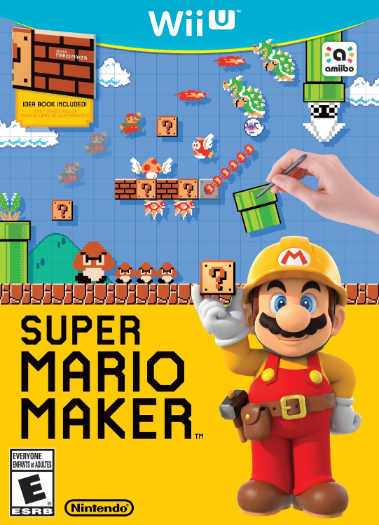
Most of us have played a 2-D Mario game at some point in our lives, and I'm sure I wasn't the only one that really wanted to make a Mario level and have others play it in years past. Granted, people have made attempts to make their own Mario levels with varying degrees of success, but Miyamoto and friends finally granted my wish for Mario’s 30th anniversary in the form of Super Mario Maker. As far as level creation tools go, Super Mario Maker is a great level creation tool that has seen over six million levels created since its launch last year. Needless to say, the game is a hit with Mario fans everywhere. However, there are still flaws it has to iron out.
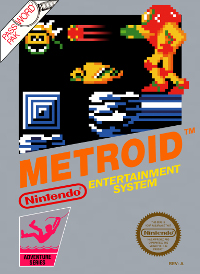
To say the least, 1985 proved to be a very good year for Nintendo. They successfully launched the Nintendo Entertainment System in the U.S., introduced the Super Mario Brothers, and quickly won the love and devotion of many youngsters getting into console gaming for the first time. It wasn’t long before Nintendo became a name synonymous with high quality video game entertainment.
257 - that’s the number of deaths I incurred on my voyage to 100% completion of Renegade Kid’s latest title and follow-up to 2012’s cult classic, Mutant Mudds. If you were wondering if it was indeed a “Super Challenge”, rest assured, it is. That being said, the original Mutant Mudds wasn’t exactly the easiest of games either. Certainly not the hardest, but a great old school challenge nonetheless. Mutant Mudds Super Challenge carries on the concepts of the original but brings 40 new, masterfully crafted levels that remove nearly all margin of error that the original game afforded.
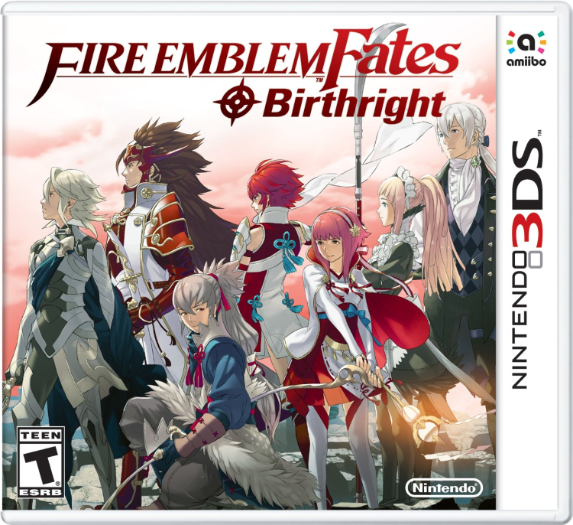
After three long years, Fire Emblem returns to the 3DS in the form of not one, not two, but three different versions. While the idea of “splitting” the game of Fire Emblem Fates into two retail releases (Birthright and Conquest) and a third downloadable title (Revelations) could be seen as a lazy cash grab from detractors, the execution is anything but. Each game packs in as much content as the 2013 Fire Emblem: Awakening, but gives players a choice in their playstyle preference. Birthright allows would-be tacticians to grind out levels in random battles, while the more challenging Conquest takes its cues from the older Fire Emblem games. This review is based on Birthright.
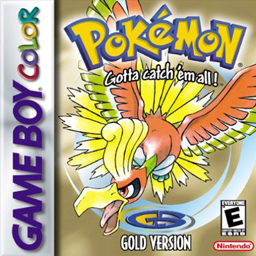
It’s funny that the next game in the Pokémon series chose Gold for one of its version colors because sixteen years later and this is still what I consider to be the gold standard for sequels. In a world where video game sequels are usually expected to improve upon the original, this is actually extraordinarily high praise. Yet despite offering just more of the same, I cannot think of any title which delivered absolutely everything I wanted in a sequel as well as these games.
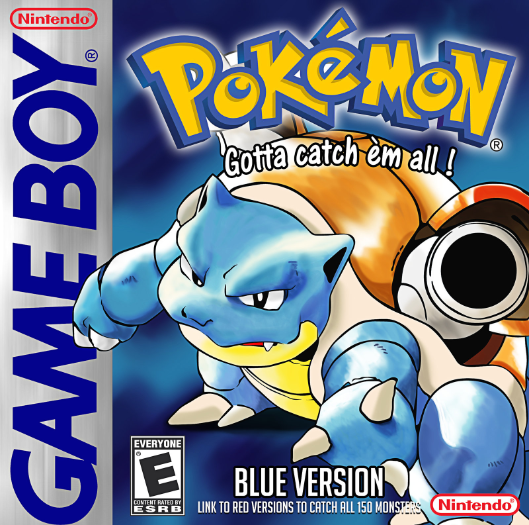
I still remember when I first heard of Pokémon. My friends would show off their cards at school and once I started collecting my own, I needed more of them. I had no clue how to play the card game, yet I loved the designs to these creatures. I would hear of how much fun the video games were as well and I knew I had to try them. And once I got my first Gameboy, despite hating the idea of playing a game by navigating menus, I was hooked for life. Twenty years later, I’m still hooked to a formula that feels just as fun and addicting as it did so long ago.
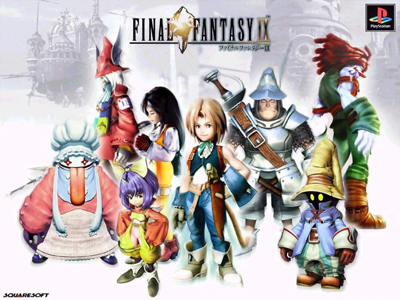
In today's daily ephemera of new releases and dazzling technologies and breakthroughs, it's easy to forget about the Golden Age of the PSONE -- or, as we knew it at the time, the PlayStation. This is especially true of the JRPG's of the system, which today still have no parallel. While many consider the SNES as the glory days of the JRPG, to me, that has always been just a prologue to what we saw on the PlayStation. It is true that many of us cut our teeth on Final Fantasy VI and Chrono Trigger, but the explosion of the genre catalyzed by Final Fantasy VII is a whole different matter. Not only were we treated to Square's trilogy of FF VII, VIII, and IX, but we also had Xenogears, Grandia, Wild Arms, Chrono Cross, Suikoden, among others. This was when the JRPG truly matured into an art form, and while we have had great games since, the depth and variety of them has never eclipsed what we saw on the PSONE.
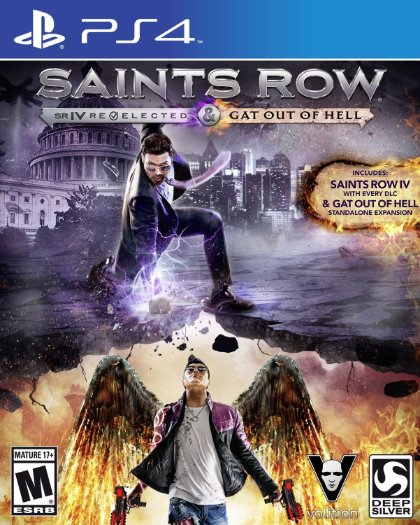
It's weird, but Saints Row IV: Re-Elected is the first game in about a year that made me feel like I need to write about games again. I didn't expect it to be quite as good as it was, but after an hour with the game I knew I was in for a treat.
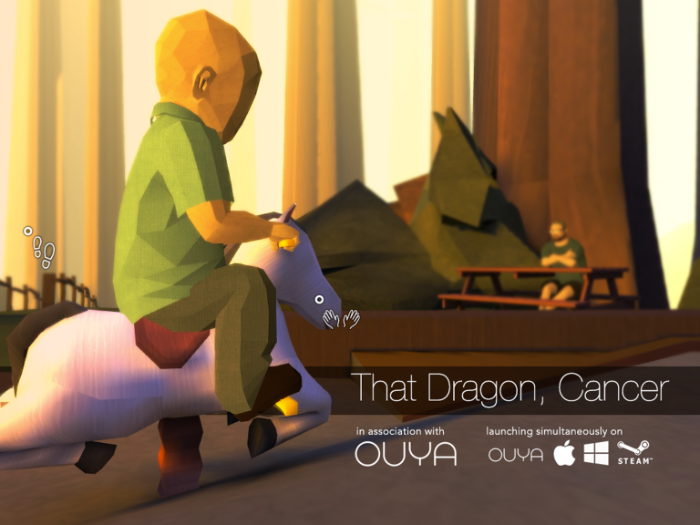
"That Dragon, Cancer," is a game about hope -- its presence, and its absence. While forged in the anticipation of triumph, the end result is a meditation on failure and loss that is pretty hard to take, and without a doubt breaks new ground for the interactive medium. Created by Brian Green and his company, Numinous Games ("numinous" means "having a strong religious or spiritual quality"), this "game" (we have no other word for it that's adequate) is both gut-wrenching and an incredibly simple exploration of a young boy's four year battle with cancer. But while it takes on loss in a new way, it is also a commentary on games in general that is both surprising and profound. It is not without flaws, but the all-encompassing heart of it more than compensates for its failures.
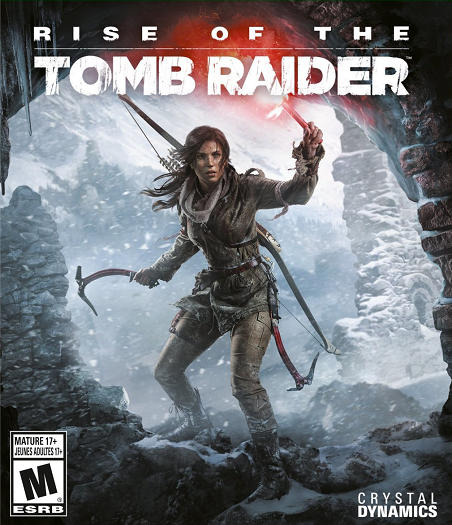
Life is full of mysteries. Who created us? Are we alone in the universe? And why did people love 2013’s Tomb Raider reboot so much? Don’t get me wrong, the title was not bad by any stretch of the word, it just felt like the textbook definition of mediocrity despite its glowing praise. While the game had almost as many issues as its sequel has microtransactions, everything wrong with the reboot was attributed to two core problems: Developer Crystal Dynamics wanted to turn Tomb Raider into Uncharted and Lara Croft into Katniss Everdeen of The Hunger Games.
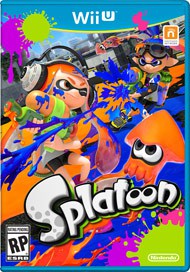
You’re a kid, and now a squid. I can’t get that out of my head, but this simple phrase is one piece of the whole pie that makes Splatoon so great. Nintendo’s internal EAD team has tackled third person shooter elements in their other series like Zelda and Kid Icarus, but doing a full third person shooter with a multiplayer focus is a different beast entirely. This new IP from Miyamoto’s magic toy box is not only one of the most original shooters out on the market today, with its creative visual style and deceptively simple gameplay, but it's also one of the best multiplayer titles on Wii U right now.