
In 2006, the Wii came out and I ... really wished they'd have stuck with the much cooler-sounding-to-16-year-old-me Revolution, but really wanted Nintendo to succeed, and thought the motion controls were super cool.
Pretending to be a rock star with mini-guitars was pretty cool for a few years, but we’ve thankfully moved past that fad and can start getting music-based games that aren’t just for fulfilling your leather pants wearing fantasies. We’ve had a few highlights in the rhythm genre here and there as those plastic instruments made their way from Best Buy to Big Lots, but now that they’re completely gone it looks like we should get more innovative and quirky music games like we used to. If HarmoKnight is an indicator of the upcoming rhythm game onslaught, then I say “bring it on.” Mixing platforming with call-and-answer beat matching, HarmoKnight is a wonderfully cute and addictively fun journey that will keep you on your (tapping) toes.
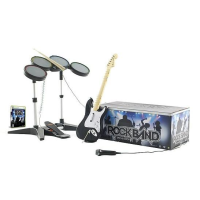
A few months ago, Viacom sold off rhythm game developer Harmonix for a reported amount of fifty dollars. The most shocking aspect of this trade is that Viacom originally bought Harmonix for $175 million. Apparently the trade gives Viacom about $150 million in tax benefits, which is quite a hefty number, itself, but still, it seems like this is a major failure on Viacom's part, which reflects as a failure on the part of Harmonix, itself. A little while later, Activision reported that they will not publish a new Guitar Hero or DJ Hero game in 2011 after disappointing sales of the previous entry, simultaneously halting future DLC for the two franchises. The once-popular music gaming genre appears to have come to a screeching halt after oversaturation and the companies' failure to understand the market.