

Whether you asked for it or not, chances are, Generative AI is now a part of your day-to-day life. Increasingly, it’s been worked into every facet of, well, everything. If you’re like me, it’s become a huge part of your work life too, regardless of whether you asked for it. GenAI is changing our world; it’s deskilling workers, weakening labor power, increasing the surveillance power of institutions, and reducing our collective agency and intelligence.

Recently remastered and released for free on Steam, Knytt Classic dusts off the classic freeware indie game by Nifflas, Knytt, for modern systems. When Knytt originally released, I downloaded it and tried to play, but the keyboard-only controls proved to be a huge impediment to my immersion. But when I saw that Chasm developer, Bit Kid, updated the title, complete with updated graphics, modern gamepad controls, and achievements, I knew I had to give it another go. Twenty years later, Knytt stands the test of time and shines in its new format.
After a brief time with Monster Hunter Stories, I really managed to focus this week on my PS2 stuff and get through a lot. Then I traded a bunch of them, but also picked up some new ones.
This is the blog from last week I couldn't get posted until now. I was snowed in on that Sunday the 31st [edit: 25th], but I made it to MK's place Mon-Thurs to play a ton of stuff as work was cancelled those days. Here's the lot.
Diablo IV threatens to take over every minute of my gaming, but I managed to squeeze in some retro and get my GP rewards points done.
Much more than just Shmups this week but I played a lot of Shumps and finally had my fill of getting beaten down. I think I'll put the Shmups aside for the rest of the month. So I've also been exploring games of the late 80s both from hits lists and my own lists. I've got the Switch, Retron 3 and Xbox Series S all running and sourcing whatever I can find. So here goes.
I just finished the last issue of this Witcher comic book story arc. I wasn't all that thrilled with it at first, but its ending changed my mind.
One free comic book day, I spied a fantastic cover for an upcoming Bloodborne comic, Lady of the Lanterns, and had to follow it being a fan of Bloodborne and the souls games in general. I finally read the fourth and last issue in this story in February.
 In the late 80s, I started seeing Tetris in computer stores. Created by Russian engineer Alexey Pajitnov while in the employ of the Soviet state agency Elektronorgtechnica (ELORG), the first version of Tetris to hit the US was published by Spectrum Holobyte for the Mac, under license from ELORG. As such, Pajitnov never saw a penny of royalties, these going straight to the Soviet government (he finally gained legal rights, and therefore royalties, to his creation in 1995, after the USSR collapsed and Pajitnov himself had moved to the United States.) A rather bare-bones version of the game, it nevertheless set the standard for the series going forward, including copious Russian imagery and music. It was kind of interesting seeing this blatanty Russian game in computer stores, it being five years since the infamous Able Archer 83 incident and two years since Gorbachev instituted the glasnost policy.
It threatened to snow so much, they closed my library. Turns out all we got was a dusting and some ice. But I didn't have to work, so I gamed it up with my gaming buddy. I played on Wii-U and Xbox Series S.
Over the years, there have been many different types of cartridge software released. Where music and video media (eventually) became standardized, each game system had its own form of storage media. In addition to carrying interchangeable game software, companies tended to make the design and appearance of the cartridges themselves distinctive as a marketing gimmick. Most of us have memories of having game cartridges in boxes, not to mention blowing on the edge connectors when our games glitched out. So here's a brief overview of various game cartridges throughout history. This is not an exhaustive list.
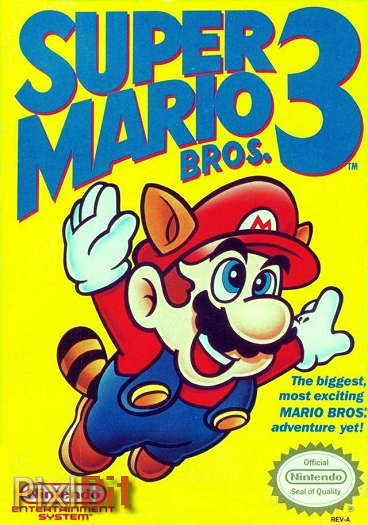
On October 23, 1988, Mario series creator Shigeru Miyamoto and his crack team of Nintendo EAD ninjas released Super Mario Bros. 3 in Japan. To coincide with its US launch 16 months later, Nintendo produced a commercial featuring kids clamoring for the game like it was the second coming of Christ. The hype was intense, and it worked exceedingly well. The game went on to exceed the first one in sales, fandom, and legendary status. Mario and the crew had undeniably hit their stride.
Hey dudes! I’ve got some totally radical and gnarly game reviews I’ve written recently over at GamerDad.com. And a majority of them happen to have an 80’s theme! It would be righteous to the max if you could click on the links and read as many reviews as you can and maybe post a ‘like’ or comment or two. I’d appreciate it. Oh and for the record, I never talked like that as a kid in the 80’s I think the only people who did were on television.
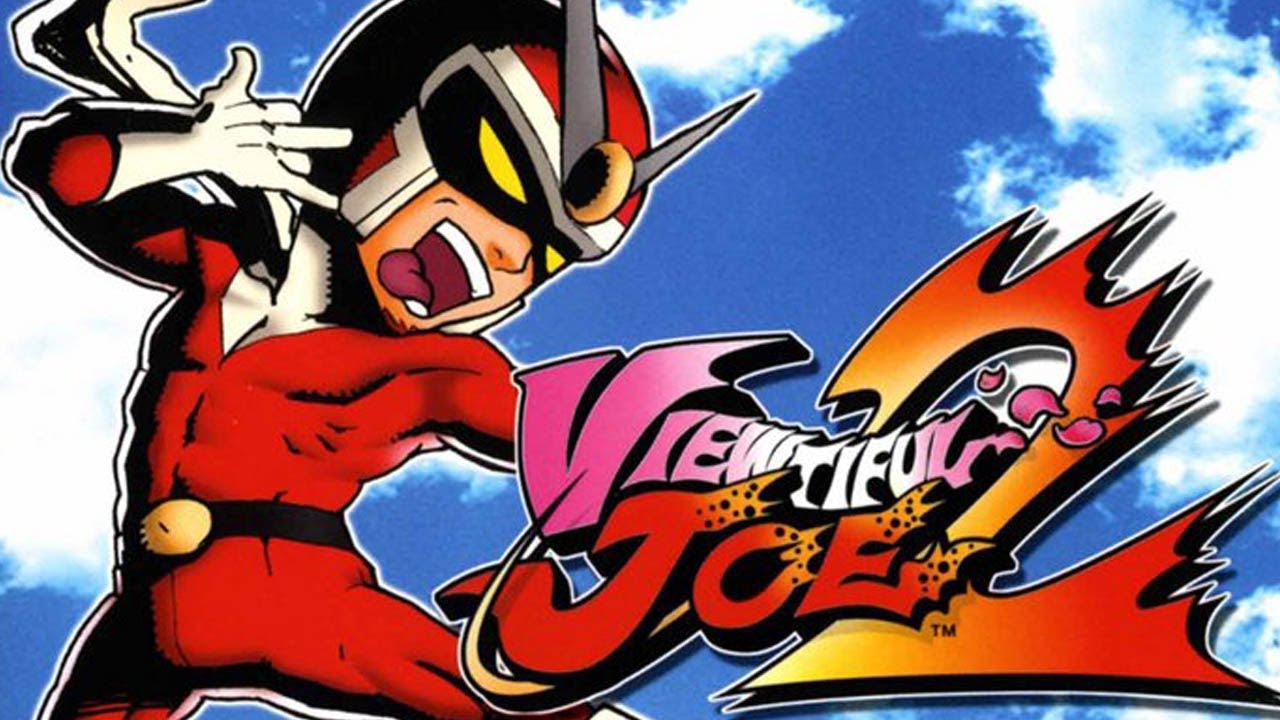
After a breaking from games for a while, I've felt like playing something. Not sure what, if anything, I want to commit to, so I've been briefly revisiting some old favorites I've had on my mind, and trying out some titles I've been interested in, through demos or...other means
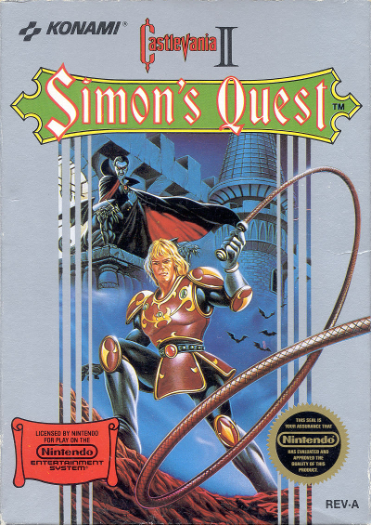
It was common practice for game developers to make radical design changes for the first sequel of a popular game in the early NES days. It was no different with Castlevania II: Simon's Quest. Released in North America in 1988, Konami decided that a few changes were in order. The previous game primarily focused on platforming, defeating the boss of the current stage, and moving on to the next location in linear order. Conversely, Simon’s Quest took the series in a new direction with an open, Metroid-esque style of exploration and a few RPG elements to boot. Castlevania had entered a new frontier.
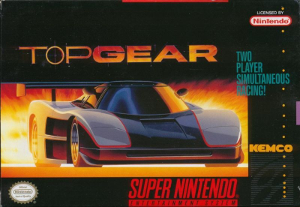
Ever since Namco’s Pole Position made its debut in the arcades in 1982, the racing genre has been considered an essential medium in the gaming world. The increase of video game consoles making their way into homes throughout the mid-to-late ’80s further solidified the popularity of racing games. Players looking for deeper mechanics than what was available from the current offerings of the day could rejoice when Kemco published Top Gear in 1992- one of the first driving games for the Super NES.
I managed to get to 8 different games today. Fun stuff. Here's some details.
Note: This is my second attempt to post this blog. My first attempt, the site ate everything after the introduction to Xanadu.
Games of the Decade: Expansion Pass #18/Blog a Day #13