
Up until Lies of P released, I thought it was impossible for anybody not named FromSoftware to make a great Souls-like. We’ve certainly seen plenty of teams adapt the formula to 2D successfully, but despite the similarities, those titles feel more like variants on the classic Metroidvania formula than a proper Souls-styled game. False Hero, though, leaves no question where it draws influence - this 3D Souls-like, the product of a single developer, is imbued with everything that made the Souls series great. It even manages to add its own twist to the formula, creating its own identity in the process.
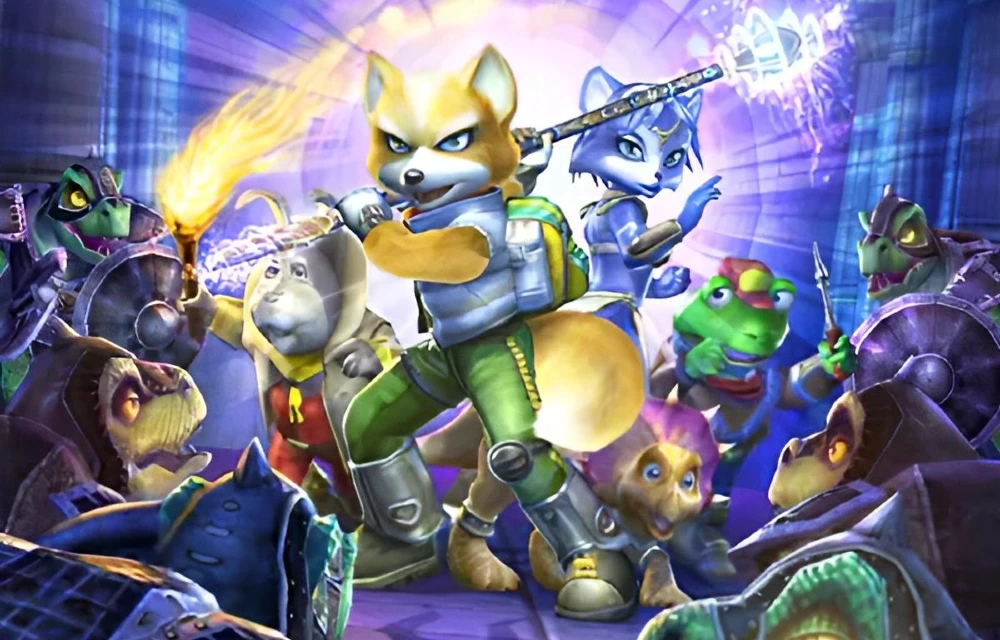
When Star Fox Adventures originally released back in 2002, I skipped out. If you read my review on Star Fox, this might surprise you, given how much I love the series. But Adventures wasn’t really a Star Fox game, it was the Rare N64 game, Dinosaur Planet. It got an awkward Star Fox coat of paint, some poorly executed Arwing sections, and was dumped into the Star Fox universe, thanks to Nintendo leadership.
Recently remastered and released for free on Steam, Knytt Classic dusts off the classic freeware indie game by Nifflas, Knytt, for modern systems. When Knytt originally released, I downloaded it and tried to play, but the keyboard-only controls proved to be a huge impediment to my immersion. But when I saw that Chasm developer, Bit Kid, updated the title, complete with updated graphics, modern gamepad controls, and achievements, I knew I had to give it another go. Twenty years later, Knytt stands the test of time and shines in its new format.
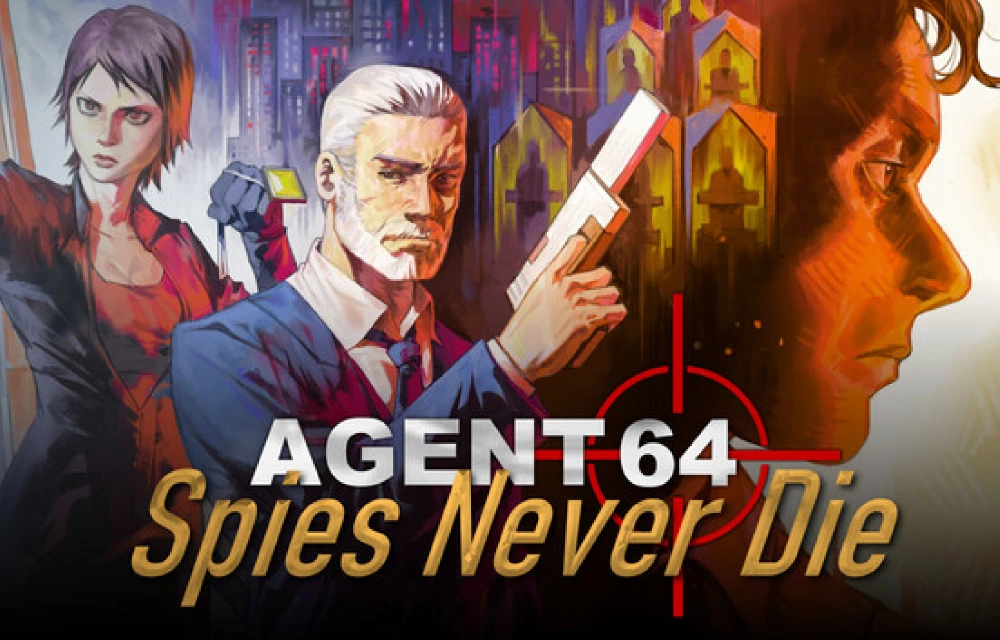
It was the summer of '97 - we were on a family vacation in Montreal and went to La Ronde Amusement Park for the day. I couldn't believe what I was seeing when I was there; a Nintendo Megadome, right inside the park. It was like a dream come true. Even better, it was right before the release of GoldenEye 007, so I got my first look at what would soon become one of my favorite games ever. We played everything we could and left, VHS in hand, promoting some of the upcoming releases, including GoldenEye. There were some other promotional materials too, a dossier that would be thumbed through hundreds of times before we were graced with a copy of the game that Christmas.
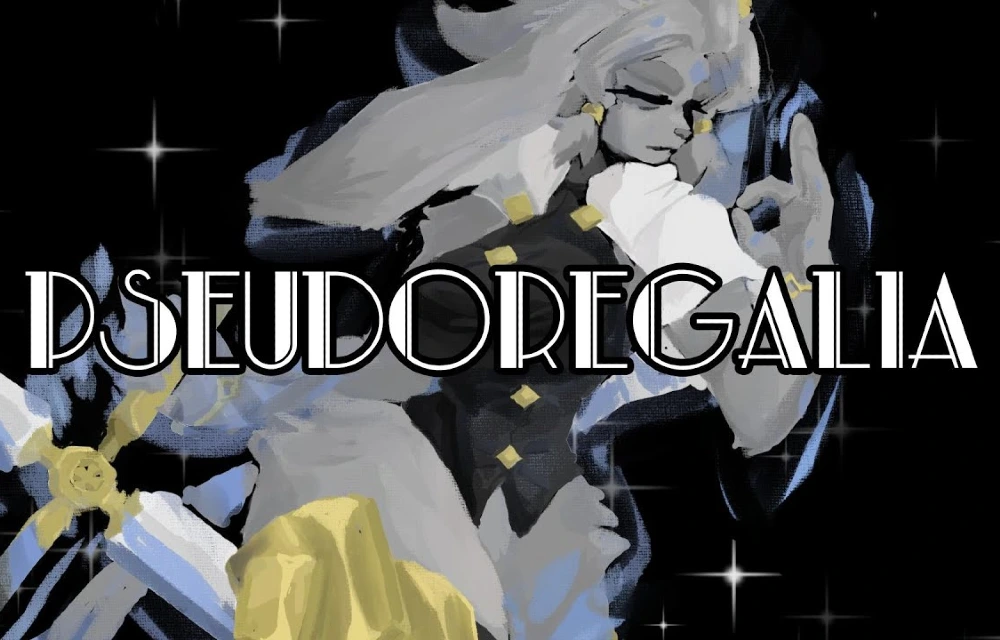
Even from the outset, Pseudoregalia proves to be a fascinating game. Visually, it's striking - evoking the PlayStation 1 - you won't see many games that look quite like it these days, and few, if any, are able to pull off the style successfully. Similar to a title on the PlayStation, you're dropped into the game without much fanfare and with only the ability to jump. You have no map to help you navigate, no weapon to defend yourself, and compared to later in the game, extremely limited mobility. Exploring Castle Sansa and its surrounding areas will net you a sword and upgrades to it, as well as myriad upgrades to your movement abilities, enabling you to reach more parts of the castle.
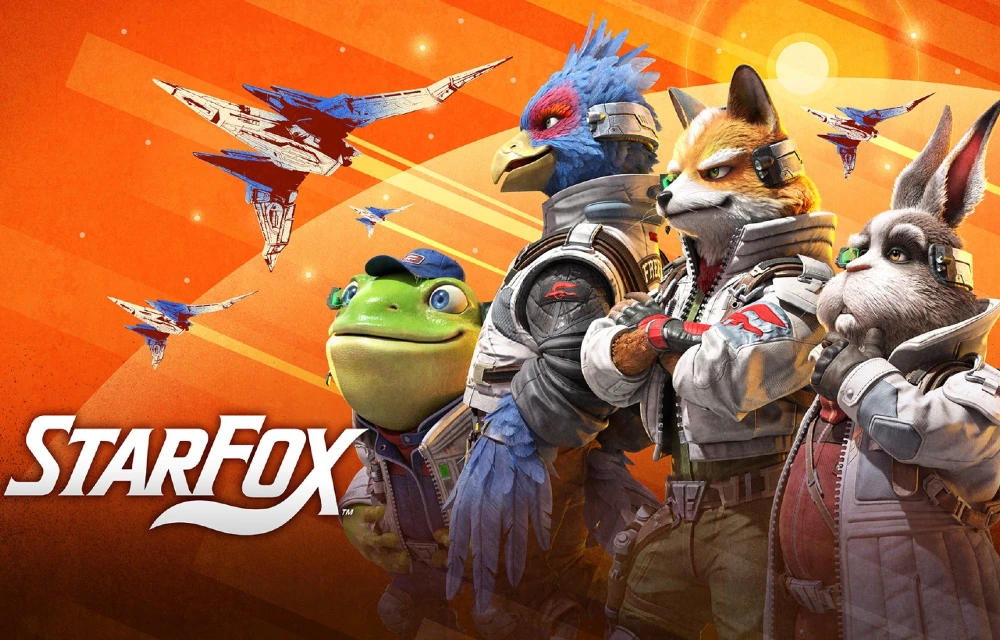
The Star Fox series has always been special to me. When I turned 8, shortly after the original game came out, my parents surprised me with it on my birthday. At the time, I remember thinking the 3D graphics were incredible and the game was extremely fun. I was addicted to blasting through space and foiling Andross' plans to dominate the universe. Years on, I remember obsessing over my Nintendo Power issues that showed Star Fox 2 - the new characters and crafts looked amazing. Unfortunately, it wouldn't officially see the light of day until I was an adult, but my Star Fox appetite would soon be satiated with Star Fox 64.
It’s been a long time since we’ve seen an entry in the Metroid Prime series - 18 years, in fact. It was 8 years ago that Metroid Prime 4 was originally announced and its development was more than a little turbulent. Initially developed by Bandai Namco, it was later scrapped completely and development was shifted back to Retro Studios to start the project over. In the end, Retro has delivered a solid new entry in the series, but one that doesn’t totally capture what originally made the series so compelling.
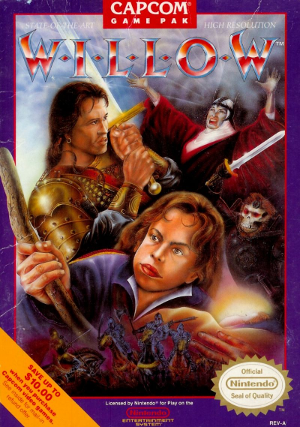
Willow is a 1988 dark fantasy movie I never watched as a child. Yet the name still rings a nostalgic bell in my brain. Strangely, I didn’t consciously pay it much attention until I stumbled across the NES game sometime in the mid-2000s. But seeing the name and characters on the cover felt deeply familiar in a way I still grapple to understand. Maybe I saw the movie poster and heard its name in passing as a kid but didn’t think much of it until discovering the video game later in life. Initially released by Capcom in 1989, Willow was a calculated attempt to create a game with broader appeal since it was based on a property with characters familiar to its audience. Fortunately for Capcom, those calculations were entirely correct.
“And now, the most anticipated epic adventure of the year will never come to a theater near you. Final Fantasy VII.” And so began my interest in RPGs. That commercial blew my 12-year-old mind back in 1997. Besides the impressive animations shown (which we would later learn were only cut-scenes), I was intrigued at seeing that we somehow jumped from Final Fantasy III on the Super NES to now VII on the PlayStation. “What manner of sorcery is this?”, I wondered.
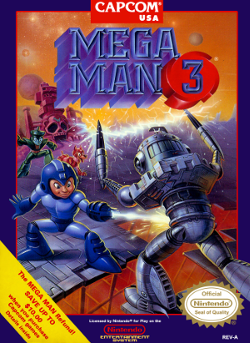
For years, there has been a heated debate among fans of the Mega Man series regarding which one is the best of the original hexalogy. After the facts have been laid out and philosophical life lessons thoroughly dissected, the debate usually boils down to Mega Man 2 vs. Mega Man 3. Which is the greater of the two? Well, no matter which side you’re on, we can all agree on the thing- the cover art for Mega Man 3 finally got it right! No more awkward stances or that pistol-for-an-arm-cannon nonsense. Of course, he didn’t look as good as on the Famicom cover, but that’s another argument.
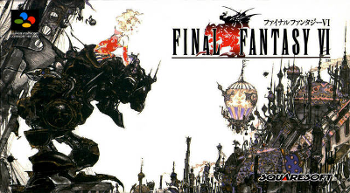
As a late bloomer to RPGs, I was mostly ignorant of the Final Fantasy series until 1997, when that commercial for Final Fantasy VII caught my attention in all its epic CG glory. But it would be another two years before I finally saw a demo of the game in action, which sparked my love for RPGs. The point is that I missed out on Final Fantasy VI (originally titled Final Fantasy III in the US) when it was released in 1994. Fortunately, the Super NES Classic Edition's release several years back allowed the opportunity to play Square’s magnum opus of the 16-bit series. And boy, was it worth the wait.
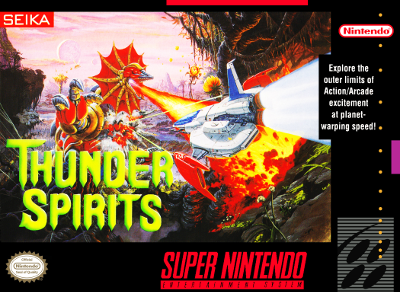
Technosoft’s Thunder Force series is rich with 2D shoot-'em-up goodness. After starting with the fifth game in the series on the PlayStation and then working my way back to Thunder Force II on the Genesis some years later, I have become obsessed with everything related to the Thunder Force series since then. One fateful day at a local game store, I stumbled upon Thunder Spirits on the Super NES. "Nah, no way it's related to the Thunder Force series. Probably just a coincidence of naming", I thought to myself. But after doing some additional research, I soon returned to that store and purchased the game. For, you see, this was no coinkydink.
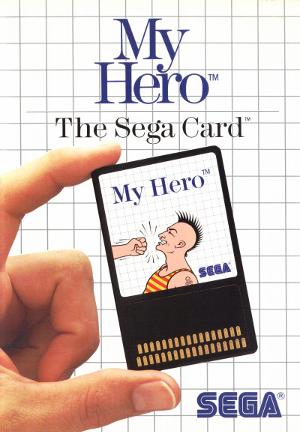
In 1986, Sega introduced the Sega Card for their Master System home console in the US. It represented the Master System’s ability to play games on small cartridges about the size of a credit card via the card expansion slot on the original system models. Sega wasted no time creating a lineup of games that would be best suited for bite-sized play sessions. My Hero was one of those games. Being released in the arcade about a year before its home console release, the game is a scrolling brawler that had the honor (or disgrace) of being one of the first guinea pigs for Sega’s gamble.
There are several similarities between Final Fantasy V and its younger sibling, Final Fantasy III. Chiefly of which, both games stayed exclusively in Japan well after the series moved on to the PlayStation in the mid-90s. For a time, Square Enix (formally SquareSoft) was uncertain if western audiences would grasp the deeper gameplay mechanics that drove character growth. But after the global success of Final Fantasy VII, they decided it was time to start bridging the gap in sequels in the US lineup. As a result, Final Fantasy V was the first to be released as part of the Final Fantasy Anthology compilation on the PlayStation in 1999.
When I was a wee lad in the arcades, motorcycle racers were not often a priority for me to spend my quarters. I was too busy playing After Burner, Galaga, or Ms. Pac-Man. But one day, I saw something that stood out from the usual bunch- Sega’s Super Hang-On, initially released in 1987. As I hopped on the mechanical bike and blasted around that first corner, I knew it was worth every quarter spent. I was one with the road- until I crashed seconds later. While I never won the race or played it in the arcade again, I always remembered how much fun it was. Thankfully, most of the traits that made the coin-op version fun translated well on the Sega Genesis.
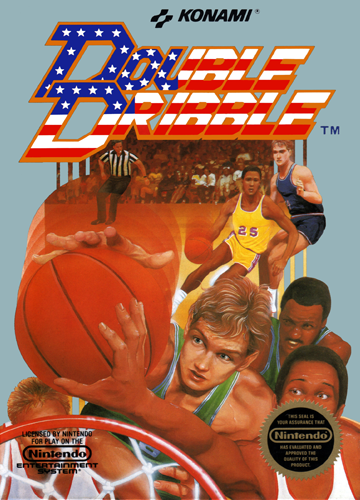
With the 2022 NBA Finals set to conclude this week (possibly tonight), now is as good a time as any to look back at Double Dribble- Konami’s take on professional basketball initially released in 1986. Like many of their arcade hits arcades, the game was forever immortalized when it was ported to the NES a year later. With its accessible gameplay mechanics and realistic presentation, Double Dribble quickly became known as one of the best sports experiences on the home console.
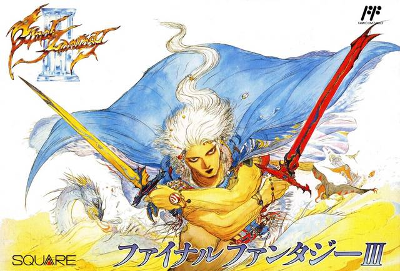
When Final Fantasy VII appeared in the late 90s, my initial reaction was that of shock at the significant gulf in sequels for the US. It was a harsh reality to learn that, of the three mainline Final Fantasy releases we received, Japan had double that number by the start of the PlayStation era. As time marched on, Square (now Square Enix) eventually released the sequels we had missed. Meanwhile, I’ve been playing a nearly 30-year-long game of catch-up since 1997. A particular blind spot for me was Final Fantasy III- the last one to be developed for the Famicom. However, after finally getting around to playing it, I now have a new appreciation for this long-running series.
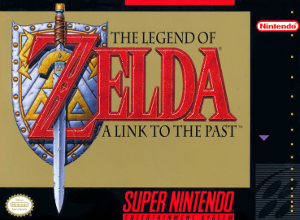
If there’s ever a time I dread writing a review, it’s when my subject is a highly favored game that has received so much praise over the years that it’s a bit hard not to sound like I’ve just hopped aboard the nostalgic hype train at this point. Check any top 10 list of the best Super Nintendo games, and you’ll be hard-pressed not to find The Legend of Zelda: A Link to the Past floating somewhere within the top five, if not the number one spot. It’s a testament to its staying power in the minds of the gaming community at large. When I sat down to play this game for myself, I only had one question- is the game really that good? Yes. Yes, it is.
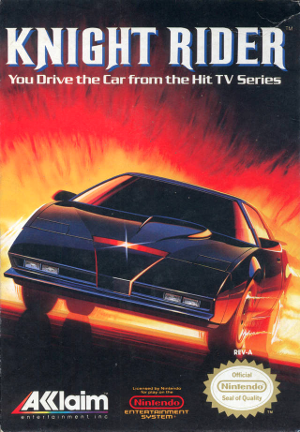
The 1980s was a decade with no shortage of TV action/crime dramas featuring a suave loner with a high-tech vehicle on a crusade to champion all that is good. At the top of the pile was Knight Rider. Each week, David Hasselhoff hit the road to stop criminals with the help of KITT- a super-advanced Pontiac Firebird Trans Am voiced by William Daniels (aka Mr. Feeny from Boy Meets World). A popular show in syndication by 1988, Knight Rider was the perfect candidate to get a licensed video game on the even more popular Nintendo Entertainment System (NES). So now, sit back and join me on this shadowy flight into a dangerous world of a man who does not exist.
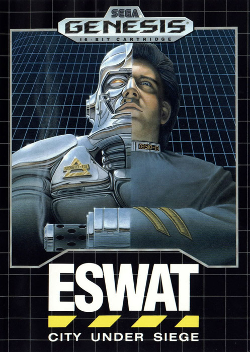
Being in the arcade business well before 16-bit consoles came along, Sega always had a discerning eye for what would catch an avid gamer’s attention. Their games covered nearly every genre out there at the time. If you wanted to be a high-flying jet pilot, Afterburner was your game. If you always wanted to ride like the wind with your partner at your side, OutRun owned your quarters. And in 1989, if you wanted to be a law enforcer with a lot of firepower and plenty of criminals to test it on, ESWAT: Cyber Police had your fix. While the Genesis version wasn’t a 1:1 port- sporting a slightly modified premise and fewer levels- the game was a worthy effort with a few quirks that kept it from being an A-lister.
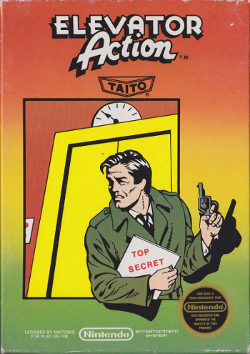
“Elevator” and “action” aren’t words that typically belong in the same sentence. But lo and behold, Taito released an arcade game in 1983 that would pair a mundane function with the trappings of a spy thriller in the game Elevator Action. You play the role of a secret agent that finds himself at the top of everyone’s hit list. Avoiding certain death requires cunning, skill, and riding a lot of elevators. It made a big enough impression to become a cult classic that people remembered fondly.
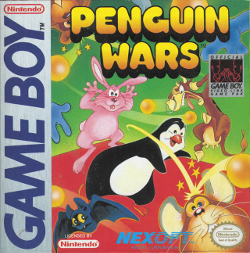
In the gaming days of years yonder, there seemed to be no limit to what developers could dream up as a basis for killing some time. And when they couldn't create a game revolving around humans playing sports, saving the world, or destroying aliens in space, they could always turn to the animal kingdom for inspiration. So in 1985, Ascii Corporation made a little ditty in the arcade called Penguin-Kun Wars. The player chooses one of several animal characters to fight it out using dodge balls in a small arena. It was a unique idea as no other game like it yet existed.
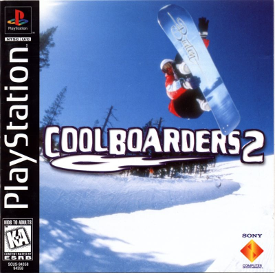
In 1996, UEP Systems released Cool Boarders on the PlayStation. It was one of the few pioneers of snowboarding games on home consoles. The popularity of extreme sports was steadily gaining momentum in the United States, as were releases of snowboarding titles from other game developers. So it was only natural that UEP Systems would follow up in 1997 with their sequel, Cool Boarders 2.
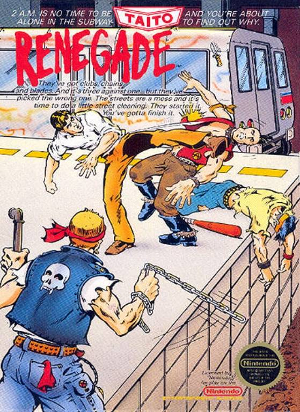
Sometime in May 1986, Japanese arcades saw the release of a brawler called Nekketsu Koha Kunio-kun (roughly meaning Hot-Blooded Tough Guy Kunio in English). It stars Kunio- a miscreant high schooler fighting for a classmate being picked on by rival gangs. The game is notable for being the first brawler to feature an urban setting and introduced many trademarks common to the genre- a tough guy protagonist, themes of street justice, generic thugs, female villains, and so on. The game underwent significant revisions for its Western release and subsequent NES port, including a name change to Renegade and the story wholly disconnected from its source material.
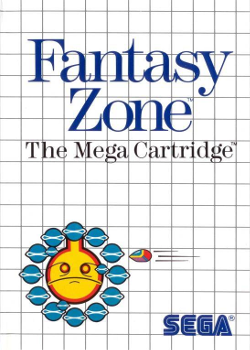
After seeing the incredible success of Konami's shoot-'em-up Gradius, Sega sought to create an arcade game that could rival it. So in 1986, game designer Yoji Ishii (Flicky, Outrun, NiGHTS) came up with a concept that combined the whimsical sensibilities of Twinbee with a giddy samba-esque soundtrack to create Fantasy Zone. As a lighthearted take on side-scrolling shooters that later cemented the "cute-’em-up" subgenre.