“And now, the most anticipated epic adventure of the year will never come to a theater near you. Final Fantasy VII.” And so began my interest in RPGs. That commercial blew my 12-year-old mind back in 1997. Besides the impressive animations shown (which we would later learn were only cut-scenes), I was intrigued at seeing that we somehow jumped from Final Fantasy III on the Super NES to now VII on the PlayStation. “What manner of sorcery is this?”, I wondered.
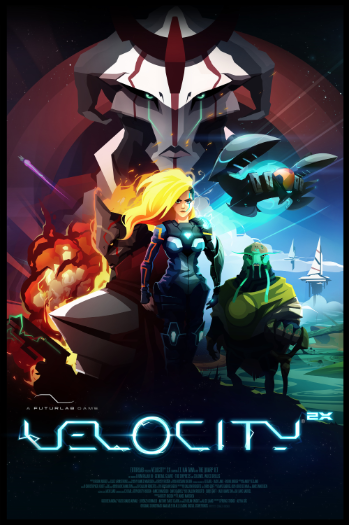
Velocity 2X, by all measures, is a well made game. It has a pretty extensive amount of content including 50 core levels with a healthy number of objectives to achieve in each, a set of unlockable puzzle-based bonus levels, and the Switch version even includes the DLC out-of-the-box. But even after completing the whole game, I never really felt satisfied with it. While there’s a lot of content, each level feels similar to the last and this lack of diversity eventually wore me down. By the time the credits rolled, I was relieved to be done with it.
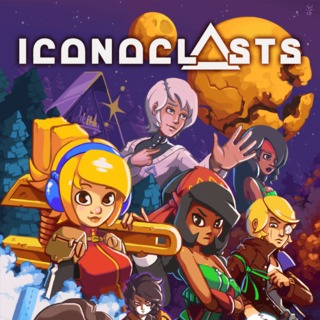
I’ll start by saying that I’m in awe of Iconoclasts. It’s the culmination of nearly eight years of solo work by Joakim Sandberg. As someone who has built a much simpler game from scratch on my own, I can assure you this was no easy feat, and for such a complex and beautiful game it’s really a stunning achievement. The world, the art, the music, and the gameplay are all phenomenal. Traversing the world, solving puzzles, exploring the locales, and defeating bosses is consistently entertaining. I have some reservations with the story and the, at times, cringey dialog. The story does prove to be quite memorable in the end, but for much of Iconoclasts, I found myself lost in it, focused solely on the gameplay.
By now, we’re all aware of the joke: if you own an intellectual property of any import, Telltale will make a game based on it. Telltale adventure games are quickly becoming the Funko Pops of the video game world, but just like those big-headed collectibles, there is no denying their popularity. Enter Batman: The Telltale Series. Is this “just” another Telltale game? Well, yes, of course it is. That shouldn’t suggest that it isn’t worth your time, though.
We’re in a unique situation with video games right now. While there is a perceived waning interest in big “triple-A” releases (for a variety of reasons), the industry has reached a place where smaller and more personal tales can be told. These games take a multitude of forms, and as I mentioned in my review for Virginia, a new “day in the life” genre has popped up recently. Firewatch is certainly one of those games, and it is one that came along at just the right time for me.

One of my favorite things about being a gamer is that most games expect me to assume an identity outside of myself; someone or something that is capable of amazing and impossible feats, powers or talents that are beyond anything I will ever grasp in my actual life. N++, the platformer sequel to the popular N and N+ games, bestows a unique new persona upon us: you are a ninja with an accelerated metabolism. You are able to use momentum to run, jump, climb, collect and pass through a series of five levels like a boss. What’s the catch? Your lifespan is only 90 seconds.