
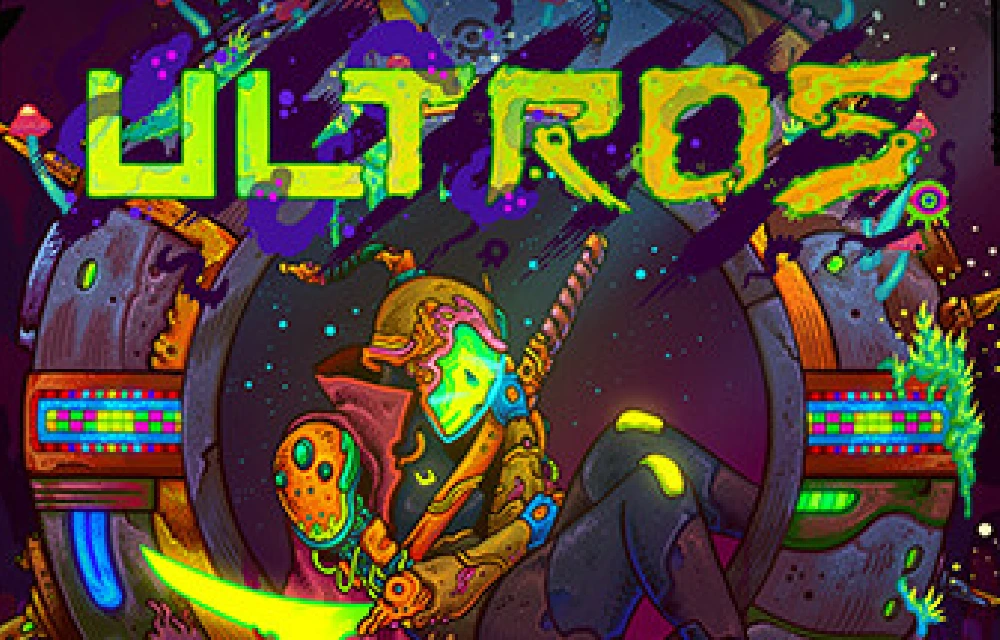
Ultros immediately drew me in with its gorgeous neon sci-fi aesthetic, but it kept me hooked by completely subverting my expectations as the game progressed. At first glance, and by the developer’s description, it appears to be yet another Metroidvania game - which, frankly, have gotten to be extremely plentiful and much less interesting due to their abundance. But quickly, you realize this is no normal Metroidvania - nor is it quite a roguelike despite the cyclical nature of the experience. It borrows these designs to create something that is greater than the sum of its parts.
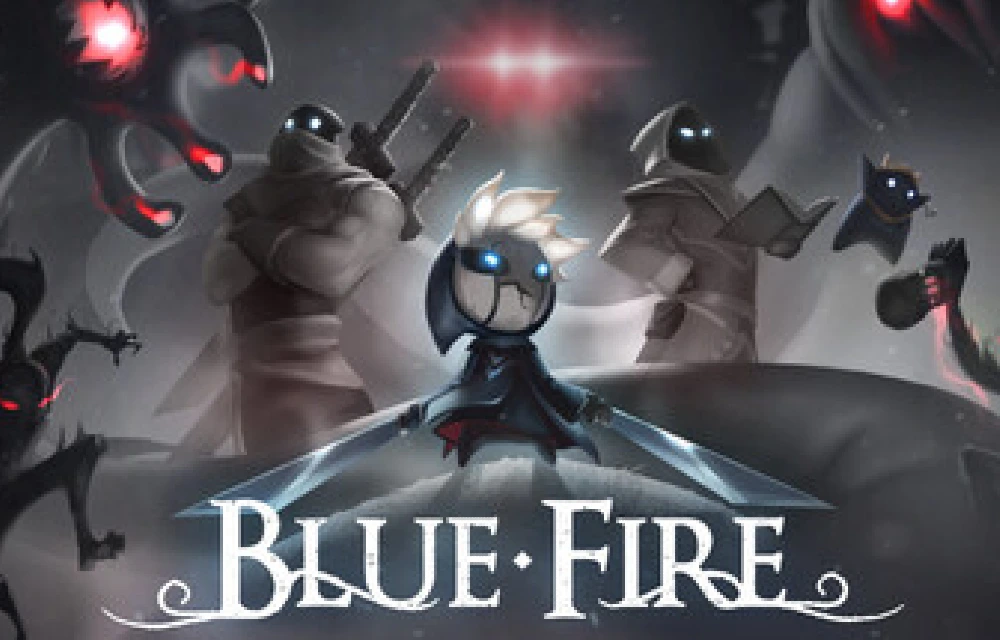
Blue Fire is a game I like, but I don’t love. It’s a game I want to love - it draws influences from some of my favorite games, broadly 3D Platformers but with a bit of Zelda, Metroid, and Dark Souls thrown in for good measure. But despite this, it just doesn’t all come together as well as I hoped.
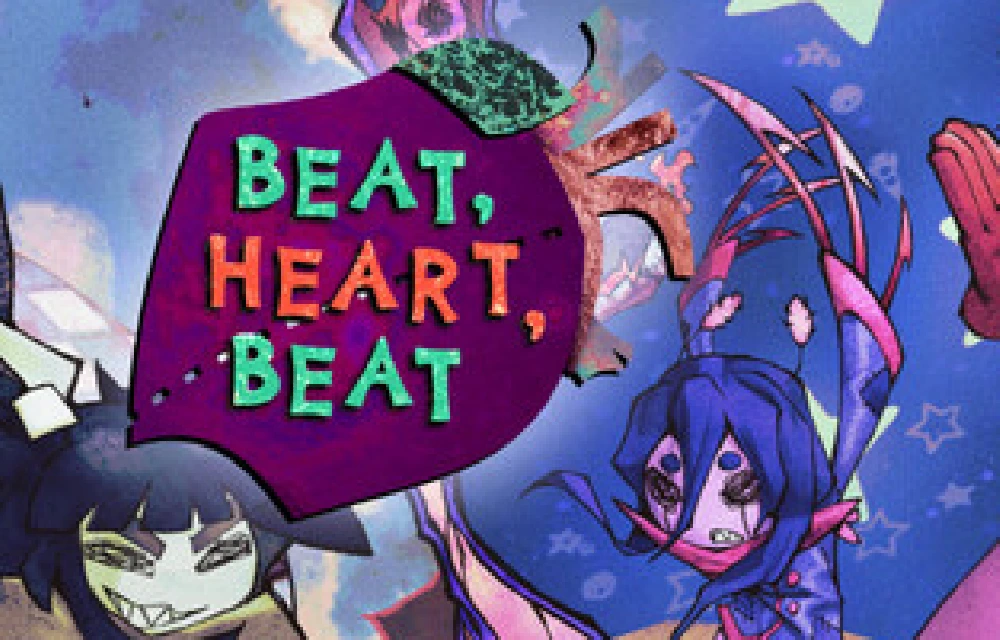
Beat, Heart, Beat is an action-rhythm platformer that puts a unique spin on the auto-runner, incorporating a midwest emo soundtrack and a truly bizarre cast of characters and premise. Through fifteen unique levels/songs, you’ll avoid obstacles, attack in three directions, chain combos, and try to do it all to the beat to earn the highest scores. The short quest relies heavily on replayability and high score chasing and your enjoyment will likely hinge on your affinity for the distinctive midwest emo soundtrack.
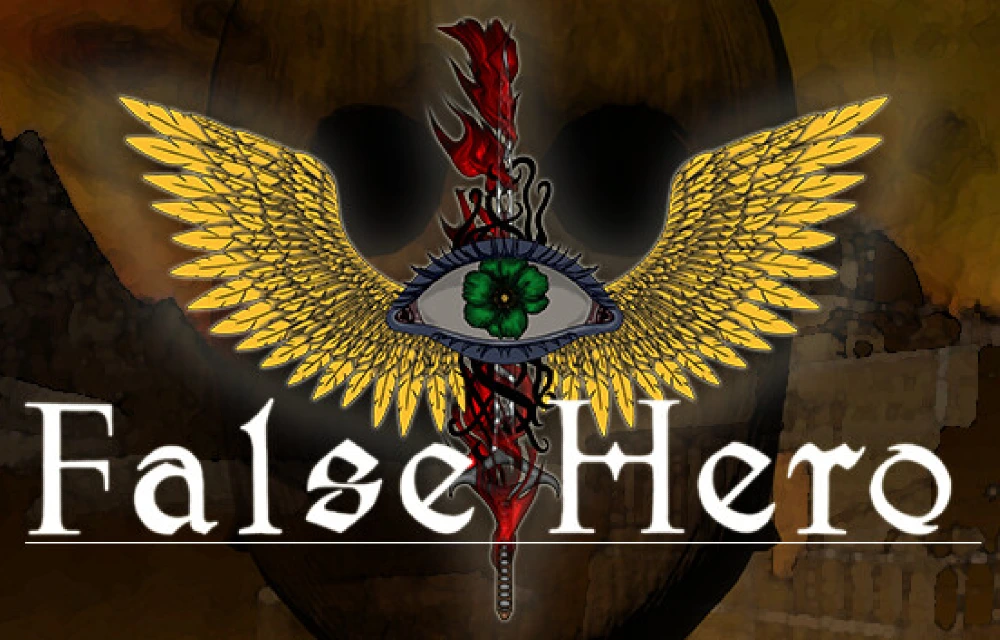
Up until Lies of P released, I thought it was impossible for anybody not named FromSoftware to make a great Souls-like. We’ve certainly seen plenty of teams adapt the formula to 2D successfully, but despite the similarities, those titles feel more like variants on the classic Metroidvania formula than a proper Souls-styled game. False Hero, though, leaves no question where it draws influence - this 3D Souls-like, the product of a single developer, is imbued with everything that made the Souls series great. It even manages to add its own twist to the formula, creating its own identity in the process.
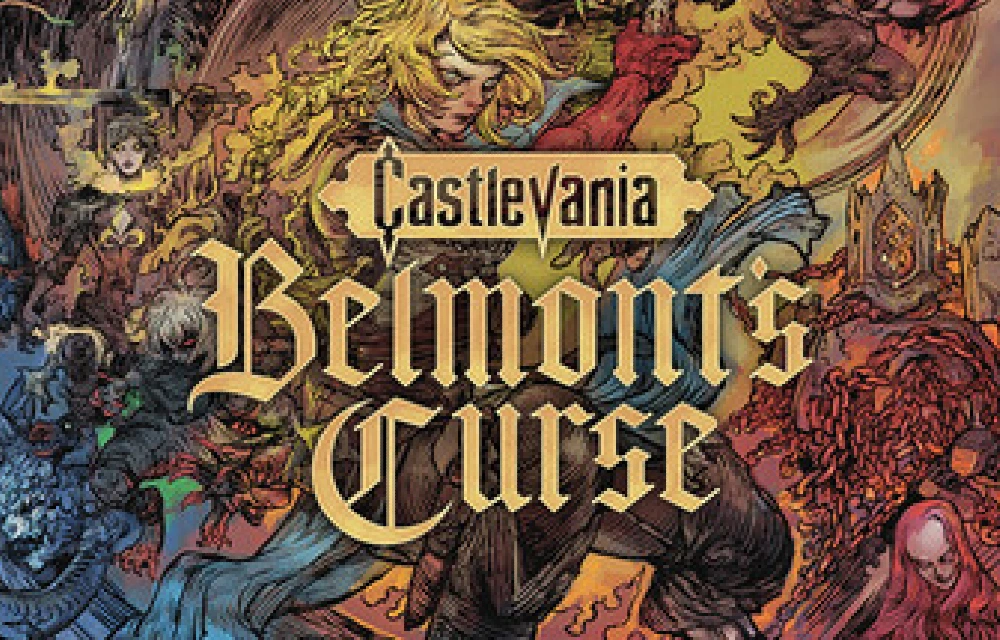
It’s been far too long since we’ve seen a proper entry in the Castlevania series. After Igarashi was unceremoniously removed from working on the franchise, it basically went stagnant. MercurySteam worked on the three Lords of Shadows games, but even the last of that subseries was released twelve years ago. Enter Belmont’s Curse, the newest entry in the series, which now rests in the hands of Evil Empire, best known for their work on Dead Cells.
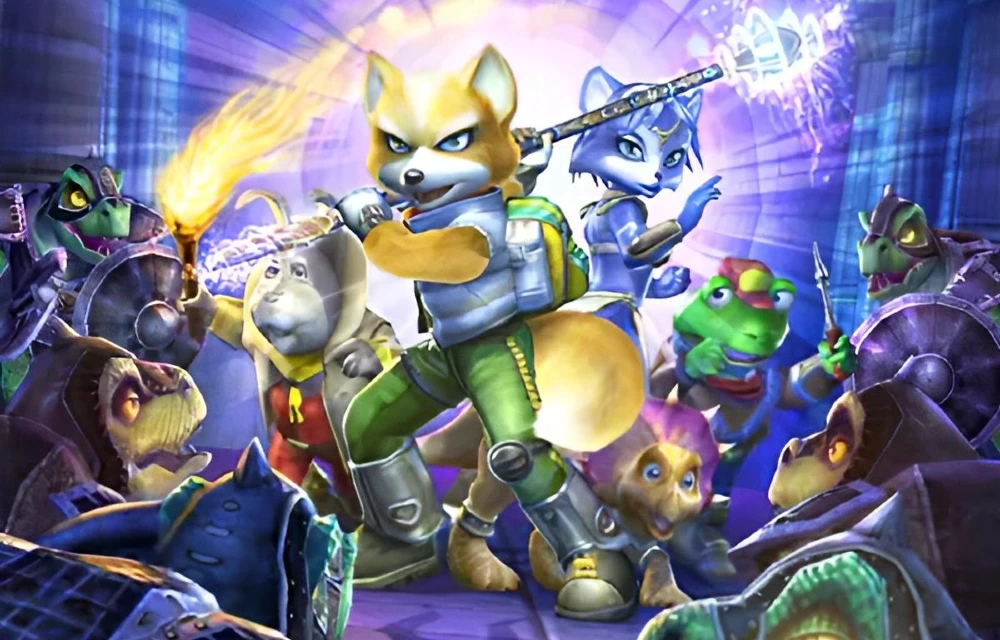
When Star Fox Adventures originally released back in 2002, I skipped out. If you read my review on Star Fox, this might surprise you, given how much I love the series. But Adventures wasn’t really a Star Fox game, it was the Rare N64 game, Dinosaur Planet. It got an awkward Star Fox coat of paint, some poorly executed Arwing sections, and was dumped into the Star Fox universe, thanks to Nintendo leadership.
That's right, folks, PixlBit has officially turned 17 years old. It's hard to believe that this little gaming site has been going for that long, but here we are. This year has been particularly special for the site, as it represents a full reboot of the site with new technology and a new direction.

Whether you asked for it or not, chances are, Generative AI is now a part of your day-to-day life. Increasingly, it’s been worked into every facet of, well, everything. If you’re like me, it’s become a huge part of your work life too, regardless of whether you asked for it. GenAI is changing our world; it’s deskilling workers, weakening labor power, increasing the surveillance power of institutions, and reducing our collective agency and intelligence.
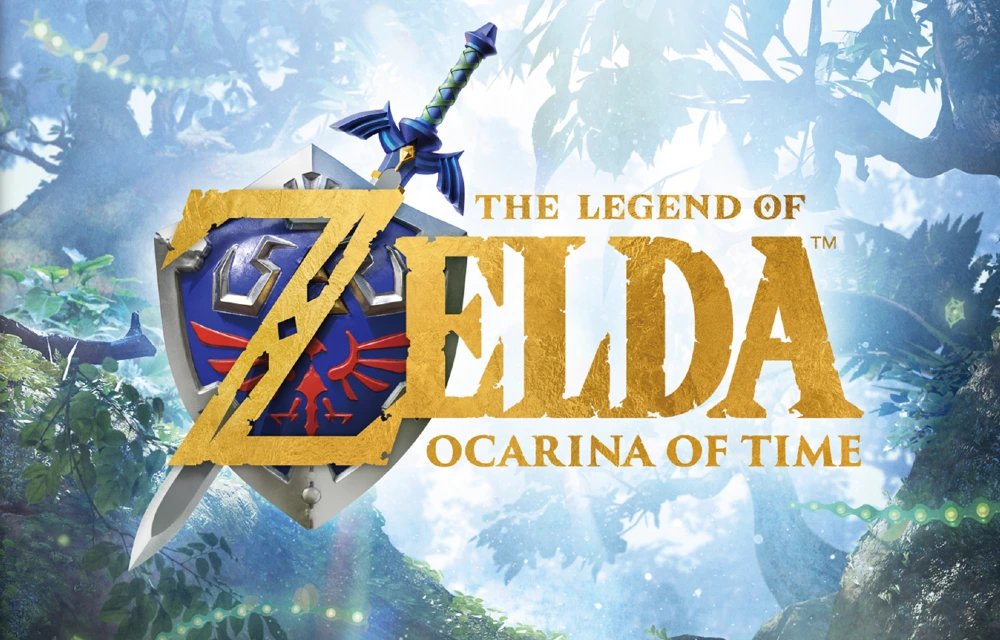
The Nintendo Direct has concluded and Ocarina of Time was demonstrated for us by Aonuma-san, showcasing all of the new features and the slick new graphics. While I detailed my hopes in yesterday's editorial, unsurprisingly, the remake essentially amounts to a nice new coat of paint and a variety of quality-of-life upgrades. Of course, each area, NPC, and more, have been fully rethought and brought up to modern standards, providing lots of visual flourishes to feast your eyes upon.
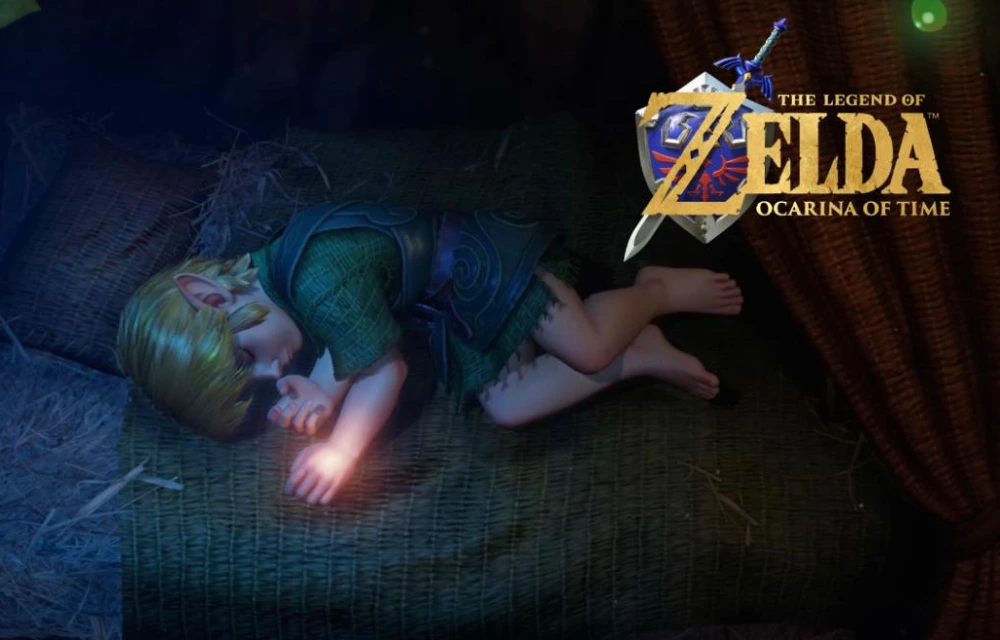
Tomorrow, we're due to finally find out what Nintendo has been cooking up next for the Zelda franchise. There's no question that there are few games as beloved as the Ocarina of the Time, which puts Nintendo in an interesting position for this remake. As we all know, the Zelda formula has been totally shaken up with the latest entries, prioritizing emergent gameplay and sandboxes that allow players to explore and create, a total departure from the Ocarina-style that previously defined 3D Zelda.
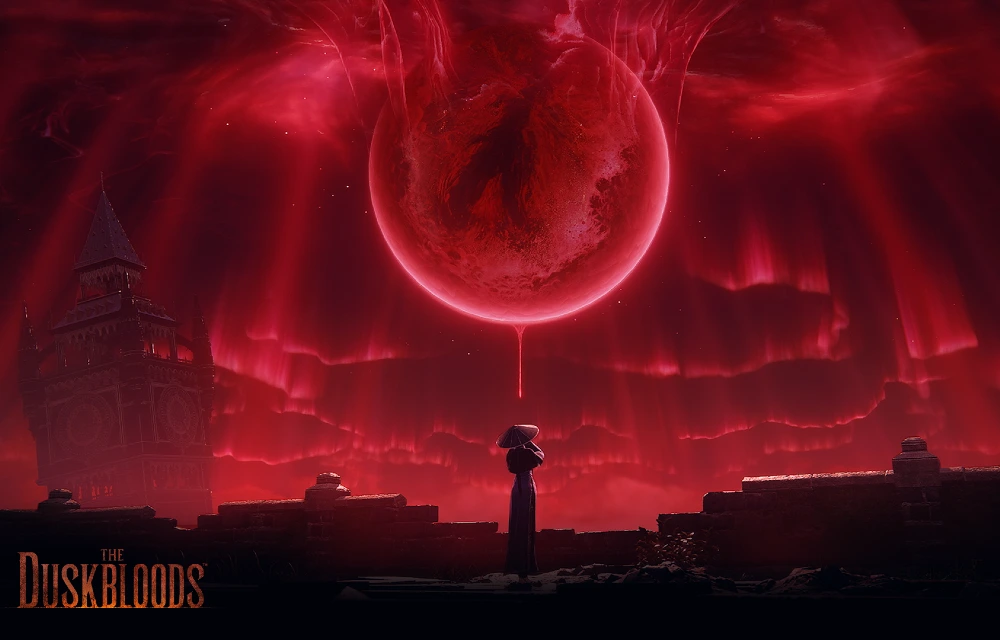
I was fortunate enough to get an invite to the Network Test for The Duskbloods on the Switch 2 this past weekend. I was able to embark into the land of dusk over the course of all three days it ran and I walked away excited about what FromSoftware is cooking up here. Like every FromSoftware game, it feels built on the back of the last game, and the influence of Elden Ring: Nightreign is clearly apparent. But interestingly, it also evokes Bloodborne in equal measure, while offering something that feels familiar, but unique.
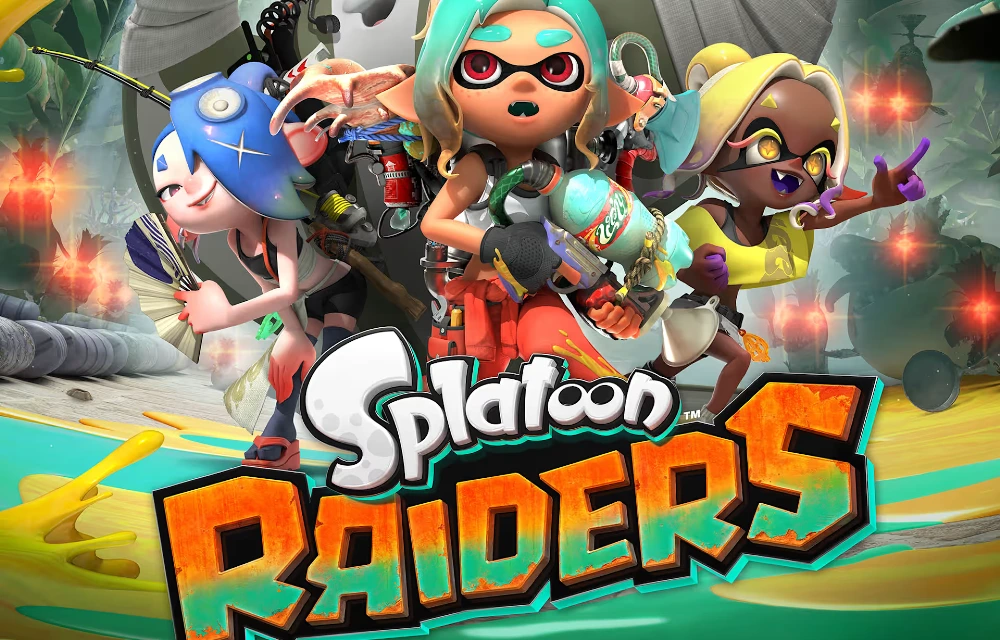
One of my favorite things about the original Splatoon was that while you were waiting for an online match to start, you could play a little 8-bit arcade style game. I even wrote an article about them here. I missed having them in the sequels, but I can understand why they took them out. I think most people would rather play in a practice arena doing what they’ll actually do in the match while they wait, and I think some of the extra arcade games were locked behind amiibo figures anyway. But I still liked them because I’m weird I guess. So I was pleasantly surprised that the arcade games made a return in Splatoon Raiders! I don’t even remember anyone talking about them in previews or reviews, so it was a surprise to me! So I’m going to talk about them here!
Recently remastered and released for free on Steam, Knytt Classic dusts off the classic freeware indie game by Nifflas, Knytt, for modern systems. When Knytt originally released, I downloaded it and tried to play, but the keyboard-only controls proved to be a huge impediment to my immersion. But when I saw that Chasm developer, Bit Kid, updated the title, complete with updated graphics, modern gamepad controls, and achievements, I knew I had to give it another go. Twenty years later, Knytt stands the test of time and shines in its new format.
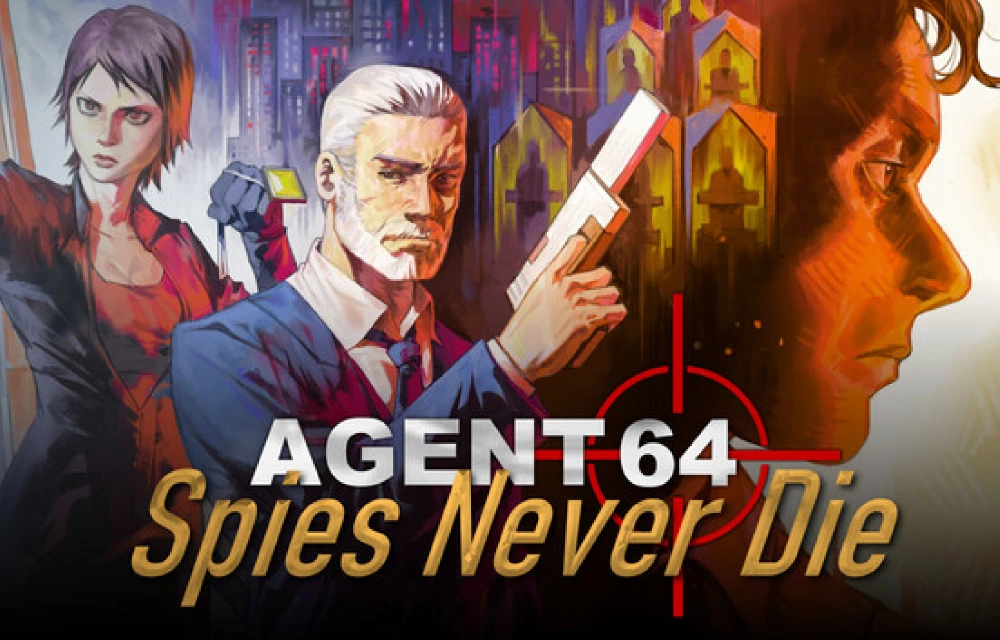
It was the summer of '97 - we were on a family vacation in Montreal and went to La Ronde Amusement Park for the day. I couldn't believe what I was seeing when I was there; a Nintendo Megadome, right inside the park. It was like a dream come true. Even better, it was right before the release of GoldenEye 007, so I got my first look at what would soon become one of my favorite games ever. We played everything we could and left, VHS in hand, promoting some of the upcoming releases, including GoldenEye. There were some other promotional materials too, a dossier that would be thumbed through hundreds of times before we were graced with a copy of the game that Christmas.
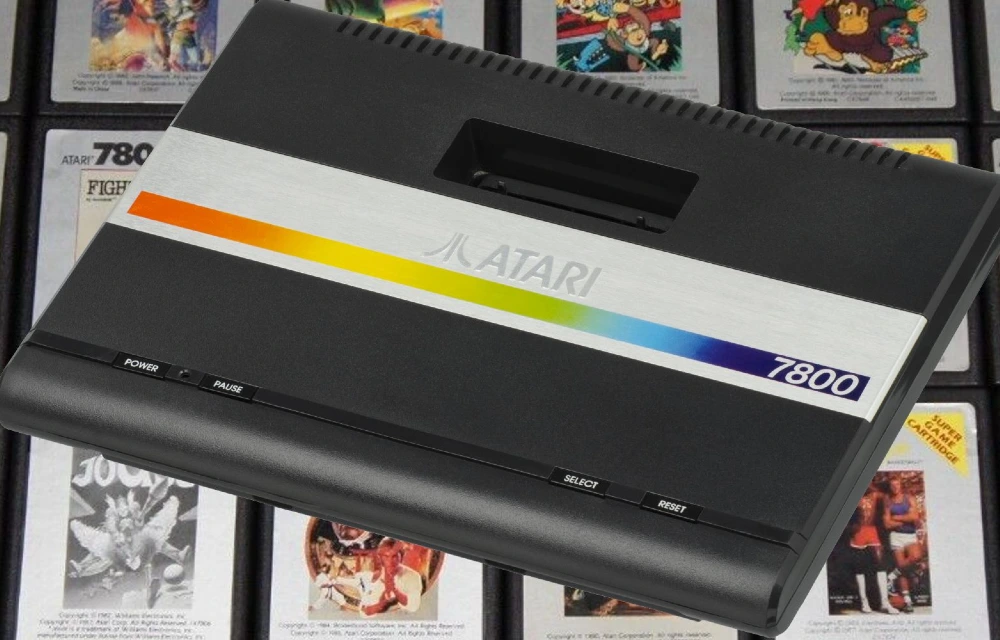
In console gaming, there is a legend known as the Third Console Curse. Most consoles are not successful enough to receive a follow-up. If they are, then a third console is still not guaranteed. It is a hard industry not only to break into, but sustain a market share in. Yet something happens with the third console every time. It fails to meet the company's initial goals. Maybe it still sells fine, maybe the console has a wonderful library of games. Even if that is the case, the company loses market share and is in a worse spot at the end of the console's life than they were going into it. It could be arrogance from success. It could be a lack of perspective from being too used to success. Maybe it's just rotten luck. But it's consistent.
Welcome to another episode of PixlTalk! This week is another solocast featuring Nick and in a similar format to the last couple weeks. Nick chats about some of the site upgrades and demonstrates how to use a couple different features. He also enumerates exactly what features are coming next to keep an eye out for. He also talks a bit about his time with Penny's Big Breakaway and Agent 64. Finally, the podcast's main topic covers trends in gaming, both from the AAA and indie space.
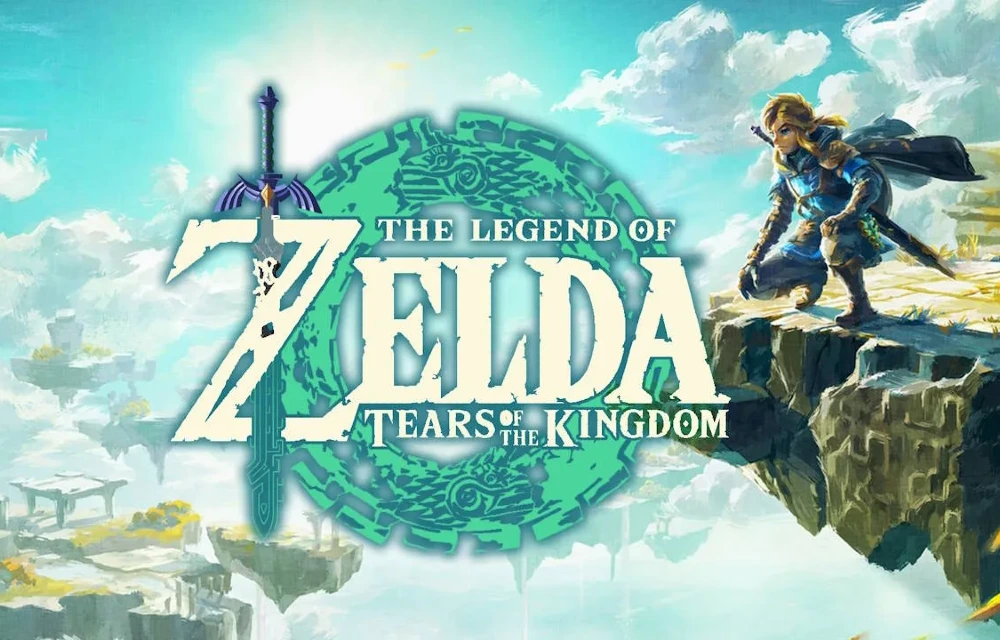
This week, Nick returns for another solo cast of PixlTalk! Starting with site updates, Nick details what changes he's been making and the progress on some new features that are coming soon. Next he goes through some of his Pseudoregalia and Super Kiwi 64 thoughts, as those are the games he's been playing lately, followed by what he'll be playing next. Finally, the main topic - Engineering the Fun Out. Nick talks about his experience with the new 3D Zelda games and how he manages to completely ruin the experience for himself, despite not really wanting to.
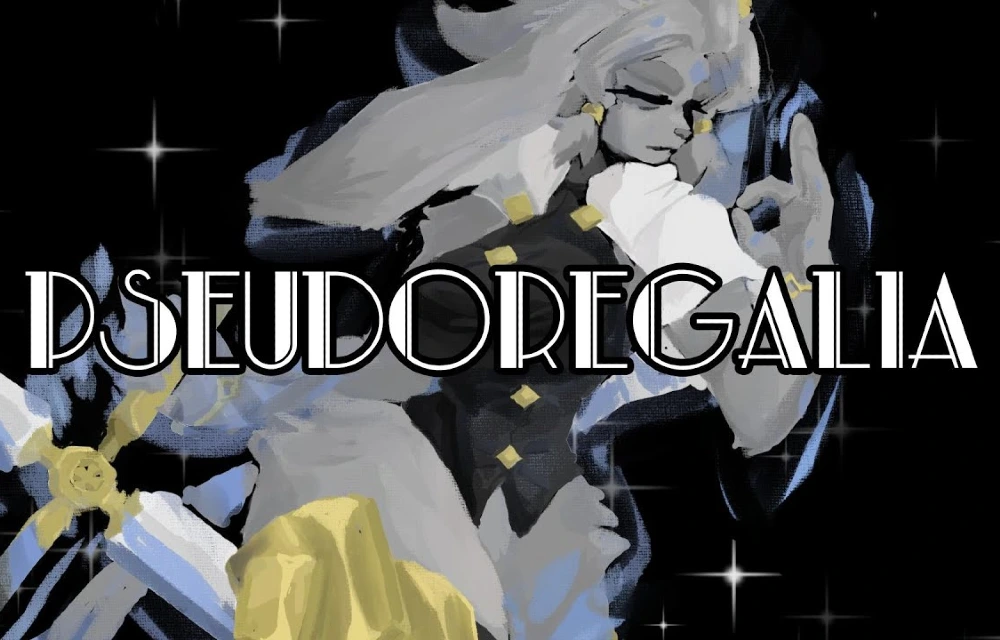
Even from the outset, Pseudoregalia proves to be a fascinating game. Visually, it's striking - evoking the PlayStation 1 - you won't see many games that look quite like it these days, and few, if any, are able to pull off the style successfully. Similar to a title on the PlayStation, you're dropped into the game without much fanfare and with only the ability to jump. You have no map to help you navigate, no weapon to defend yourself, and compared to later in the game, extremely limited mobility. Exploring Castle Sansa and its surrounding areas will net you a sword and upgrades to it, as well as myriad upgrades to your movement abilities, enabling you to reach more parts of the castle.
After a very long hiatus, PixlTalk is back for Episode 83. For now, you'll only be able to watch this episode on YouTube, but soon the RSS feed will be updated appropriately in order to bring all of the PixlBit podcasts together into a single feed. In this episode, Nick discusses the state of the industry after both Sony's digital-only announcement and Microsoft's huge layoffs, the games he's been playing recently, and a little bit of site information and where things are going next. Tune in to hear more in this reboot of PixlBit's original podcast!
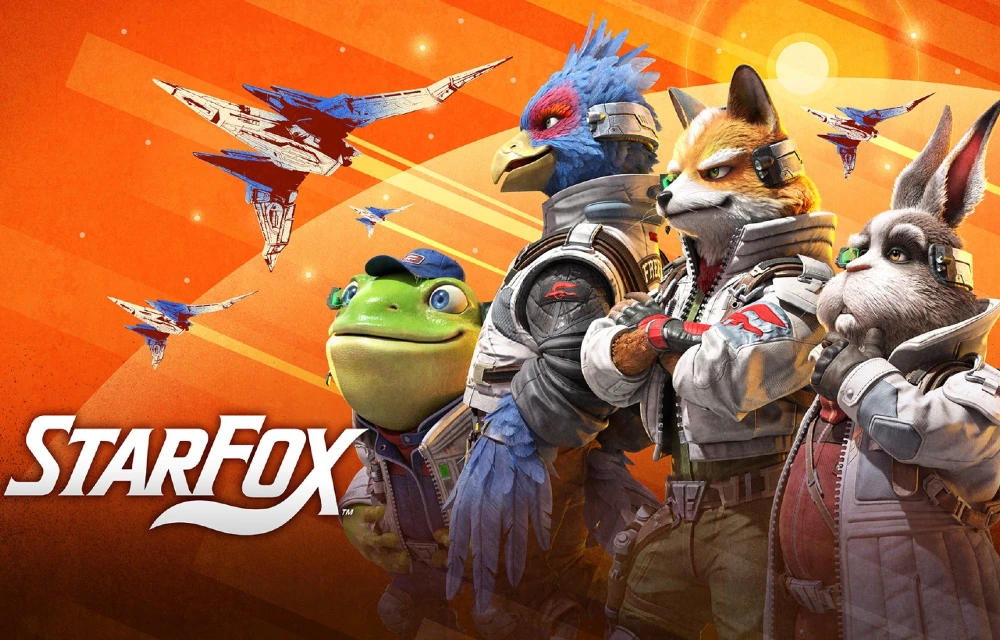
The Star Fox series has always been special to me. When I turned 8, shortly after the original game came out, my parents surprised me with it on my birthday. At the time, I remember thinking the 3D graphics were incredible and the game was extremely fun. I was addicted to blasting through space and foiling Andross' plans to dominate the universe. Years on, I remember obsessing over my Nintendo Power issues that showed Star Fox 2 - the new characters and crafts looked amazing. Unfortunately, it wouldn't officially see the light of day until I was an adult, but my Star Fox appetite would soon be satiated with Star Fox 64.
For years Microsoft hoovered up more and more of the games industry. It was shocking when they purchased Bethesda - a huge third party publisher and development house. By the time they secured the deal to buy Activision-Blizzard, it was much less so, and it was clear that Microsoft believed they could buy all the properties they needed to make GamePass a success. It didn't take long to see that their strategy wasn't working.
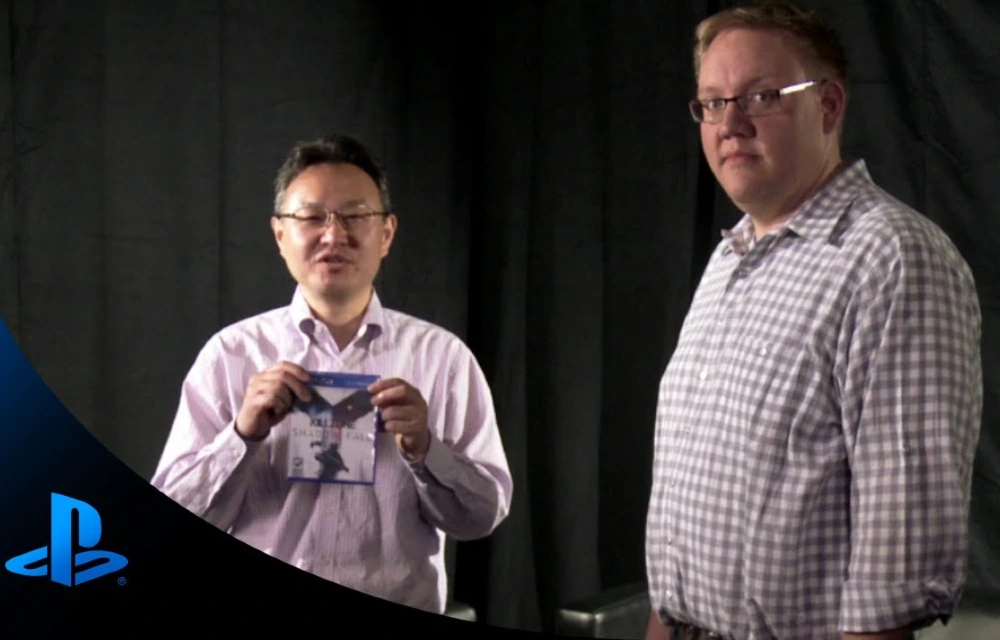
Yesterday, Sony dropped a few bombs on the gaming world - first, they are discontinuing support of the PlayStation 3 and PlayStation Vita stores by next year, at the latest, with support ending immediately in some areas. Second, they will cease production of physical games by January 2028 for all releases on PlayStation consoles, leaving only another year and half before you'll no longer be able to grab the latest games pressed to a disc.
It's my pleasure to present to all of you the latest iteration of PixlBit! It feels unreal to finally be launching this new version of the site - I've spent a lot of hours over the past few months building everything out and getting things in a state to launch. It's particularly unreal to be typing this in the brand new editor and getting this new content posted after such a long dry spell.