
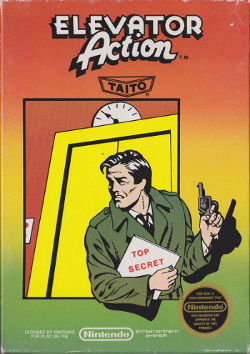
“Elevator” and “action” aren’t words that typically belong in the same sentence. But lo and behold, Taito released an arcade game in 1983 that would pair a mundane function with the trappings of a spy thriller in the game Elevator Action. You play the role of a secret agent that finds himself at the top of everyone’s hit list. Avoiding certain death requires cunning, skill, and riding a lot of elevators. It made a big enough impression to become a cult classic that people remembered fondly.
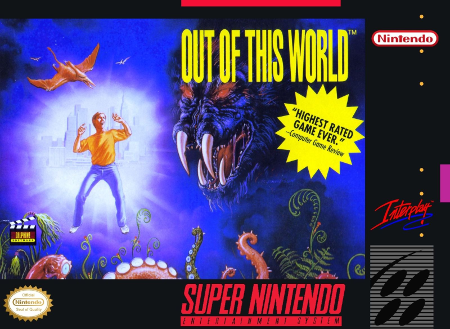
Out of this World (aka Another World) was initially developed and released for the Amiga and Atari ST personal computers by French game designer Eric Chahi in 1991. The game was later ported to the Super Nintendo, among other home consoles. Out of this World garnered much praise for its intriguing visual style and storytelling ability. In most games from this era, text or dialogue was usually the vehicle used to drive the story forward. But this one did it differently. Instead, the ever-changing situations, dangers, and victories all worked together to tell the story without a word.
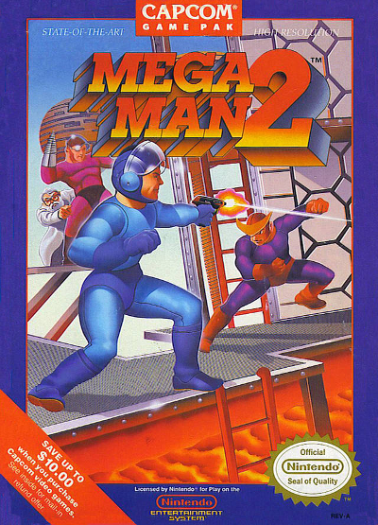
Mega Man 2 started as a side project that Capcom allowed artist Keiji Inafune’s team to work on during their downtime between higher priority projects. Much of the game's design included leftover ideas that didn’t make it into the inaugural entry. However, a few gameplay refinements and an incredible soundtrack combined to bring forth a classic that still attracts new fans despite being released over 30 years ago. Not bad for a side project.
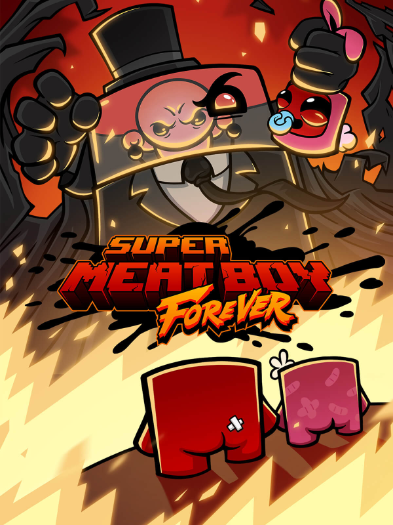
Ten years ago, we were given a gift in the form of Super Meat Boy on Xbox Live Arcade. At the time, we’d never really seen anything like it. Smaller indie downloadable games were really just starting to enter the mainstream consciousness of gaming and Super Meat Boy effectively kicked the door in and made clear that these smaller titles had something special to offer and were here to stay. And since that statement, myriad other developers have taken lessons from Super Meat Boy and its DNA can be seen in so many games that would follow. However, this creates an interesting predicament that Team Meat needed to solve - how do you offer a sequel that manages to bring something new to the table, while still feeling as simple and approachable (and difficult) as the original did?
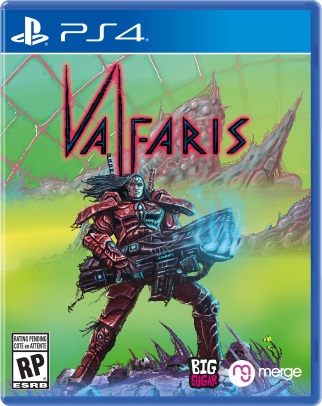
I have a few questions for you. Do you consider yourself to be masochistic in your choice of games to play? Are you driven by a need to show your superiority over other players and scoff at them for not “getting good”? Has your quest for harder and harder games desensitized you to the point that it’s impossible for you to enjoy anything that isn’t actively trying to frustrate you? Well, you’re in luck, because have I got the game for you! Enter: Valfaris, a game so focused on punishing players that it forgets to be fun. Which, if you answered yes to the above questions should get you absolutely psyched, right?

It almost hurts to write that it’s been 13 years since Sega released Banana Blitz back on the Wii. At the time, I know I couldn’t have been more excited that we were about to see a Monkey Ball game that leveraged the motion capabilities of Nintendo’s hit system. However, when it finally released, I wasn’t thrilled with the results. Rather than leveraging the Wii remote in its horizontal orientation, like many other motion-centric games had, it forced you to point forward and contort your arm in awkward ways to tilt the stage. I quickly shelved the game and wrote it off as a failure. I suspect I wasn’t the only one, because after all these years Sega has released an HD remaster of the game leveraging more standard console controls using the analog stick. Unfortunately, the transition has introduced level design changes that bring things to a degree of difficulty that I’ve found to be insurmountable.
Like so many other children of the ‘80s, I love Stranger Things. Booting it up is like taking a time machine back to my childhood. The pervasive synth music, the wardrobes and the cultural references instantly transport me, making it easier to get sucked into the day-to-day of Hawkins and the ever-creepy world of the Upside-Down. And just like a true ‘80s property, there’s also a tie-in video game to go along with the latest season of the show. Thankfully this tie-in isn’t quite as low budget as as the Atari 2600 and NES tie-ins of yesteryear, but the dungeon crawling brawler pales in comparison to the electrifying viewing experience offered by the show, especially this latest season.

Hello all, April is over. Now we move on from the showers into May. May doesn't seem to be brimming with exciting new titles this month. Rage 2 is probably the highlight. While the original was fairly mixed, maybe this new entry can boost the series. We also have the new kart racer, Team Sonic Racing. I know we have all been waiting for this. While May be a bit light in 2019, it has historically hit some grand slams this generation. Let's take a look.
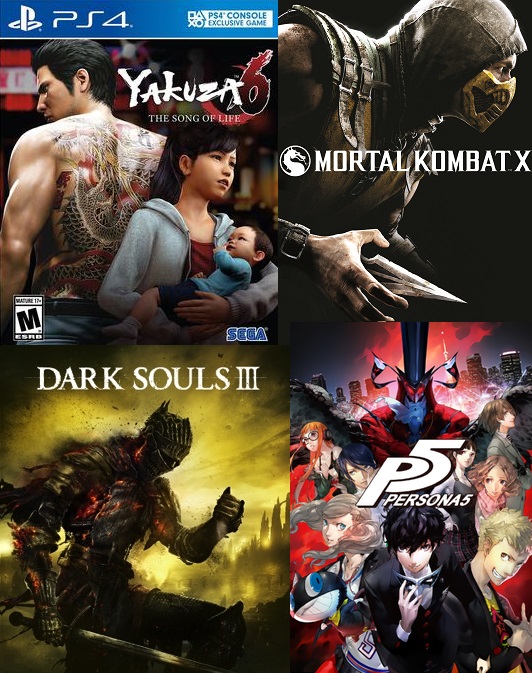
Welcome back for another episode. March is over and came with some big hits (and some big misses...) but now we are setting sights on April. April seems like it’ll be interesting this year. We have Dangerous Driving, from Three Fields Entertainment, aiming to make the spiritual successor to Burnout. The Earth Defense Force series is looking to take a more realistic approach with Earth Defense Force: Iron Rain. Mortal Kombat 11 is set to impress, or disgust, with their over-the-top Fatalities. Sony is also releasing their next exclusive, Days Gone, this month.
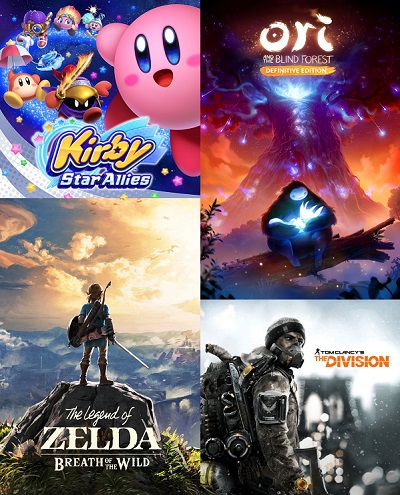
Welcome to March, everyone! February goes by so fast doesnt it? We have a solid battle for this month. March seems to be the place for heavy hitters this gen. Sure, November is always crowded with plenty of great games but this month holds two pure gems. Some would argue the greatest games of this gen and possibly all time. Setting aside the previous years, March doesn't look like it'll disappoint this year either. We get a blast from the past with a new Toe Jam & Earl that looks like it'll satisfy fans of the original. We've also got two very anticipated sequels to Devil May Cry and The Division. Lastly, FromSoftware is releasing their next game, Sekiro: Shadows Die Twice.
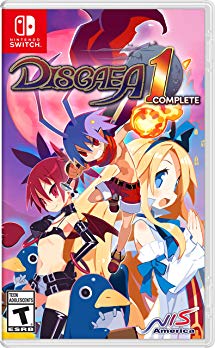
As much as I love games, I dread the hours it takes to get over the hump of one that’s new and unfamiliar. When I finally get over it, I hope that I didn’t waste those hours on a game I won’t keep playing. So when I fired up Disgaea 1 Complete for the Nintendo Switch I wasn’t sure what to expect. Even though it’s been fifteen years since the game’s initial release, it was still a new and unfamiliar title for me. Thankfully, I’m glad to say that the hours spent getting over that initial hump were worth it.
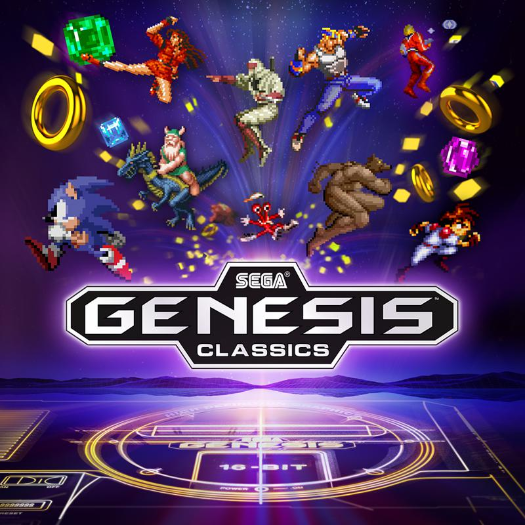
Sega has done a lot of great things with emulation as of late. On the 3DS, they released 3D remasters of a handful of games, which boasted a handful of improvements to the source material. Their Sega Ages line marks another batch of games that are seeing improvements to the original games as they release on the Switch. However, Sega Genesis Classics is more of a compilation of classic Genesis games with some additional features that make it a great collection to have on your Switch if you grew up with these old games.
One thing you should know about Life is Strange 2: Episode 1 is: It’s political. And that’s going to affect how much you enjoy it, because politics are woven more deeply into the game’s main narrative than in previous entries.

PixlBit has just dropped all three reviews for the Persona Dancing: Endless Night Collection. Persona 3: Dancing in Moonlight and Persona 5: Dancing in Starlight, both of which are releasing soon at $59.99 each have been bundled together, along with a PlayStation 4 port of Persona 4: Dancing All Night for the very reasonable price of $99.99. The trio of games are all fantastic and this article should serve as a quick access point into all of them. Click the box art to go to each of the reviews.
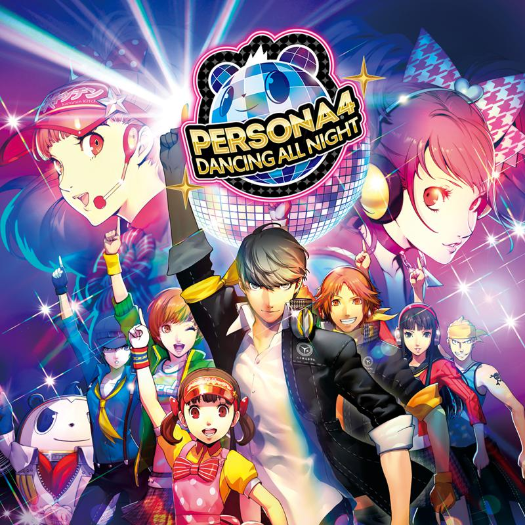
For those of you out there sold on both Persona 3: Dancing in Moonlight and Persona 5: Dancing in Starlight, the Persona Dancing: Endless Night Collection on the PS4 is a great way to get both, along with one fancy bonus: a PS4 port of Persona 4: Dancing All Night. The title once exclusive to Vita makes an appearance in this bundle and offers up a bit of a different approach to the Persona Dancing formula when compared to the newer titles. A full-fledged story mode is on offer rather than the simpler sidebar social interactions. For those vested in the characters and story of Persona 4, there’s a lot to like about this brand new story.
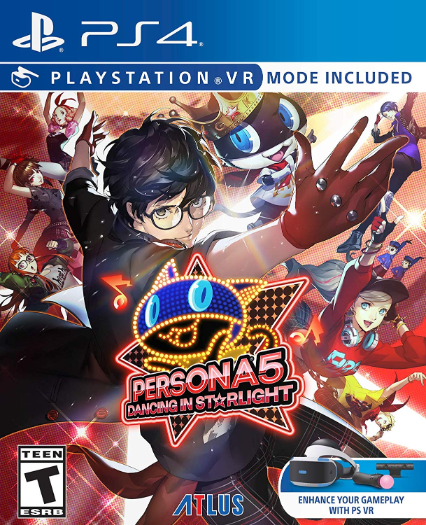
Rather than retread the same ground covered in my Persona 3: Dancing in Moonlight review, I’d suggest you start there to get a good feel for what Persona 5: Dancing in Starlight offers. Broadly speaking, the two are identical in composition, offer the same modifiers, unlocking stuff is done in the same ways, and the progression is consistent. Other than being skinned for Persona 5 with its music, the games provide the same great experience.
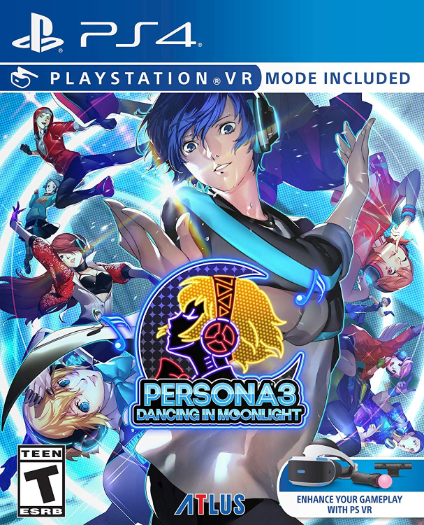
One of the first things that drew me into Persona 3 when I picked it up on a whim years ago, was its music. J-Pop has always been a guilty pleasure and Shoji Meguro did it incredibly well in Persona 3. That said, not all of it was J-Pop, Persona 3 featured all sorts of incredible tracks that seemed to perfectly match or even set the mood. So you can only imagine my excitement when I realized Atlus was finally giving the Dancing rhythm game treatment to Persona 3. Like a match made in heaven, Persona 3: Dancing in Moonlight delivers excellent rhythm gameplay that allows you to both spend more time with the beloved cast and enjoy all of the excellent tunes.
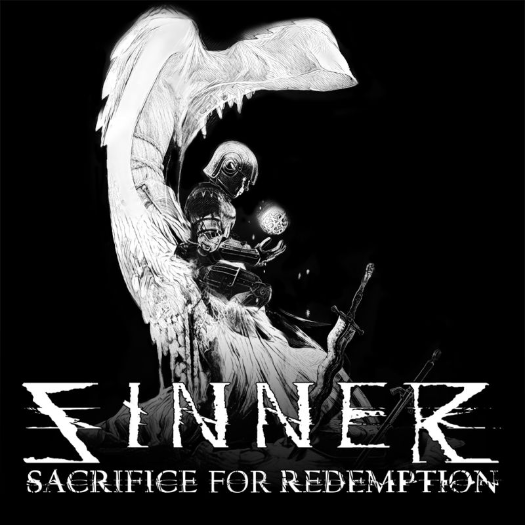
There’s been a lot of talk of Dark Souls lately. It seems like you can’t read a review without tripping over some reference to the series or a game being compared to it. However, Sinner: Sacrifice for Redemption fully invites the comparison, and was absolutely cast in the mold of Dark Souls. It very clearly tries to ape its gameplay and rather than copy the experience wholesale, boil it down to a boss rush mode game with a few unique twists. But in excising everything else that makes Dark Souls, Dark Souls, it loses what makes that series special.
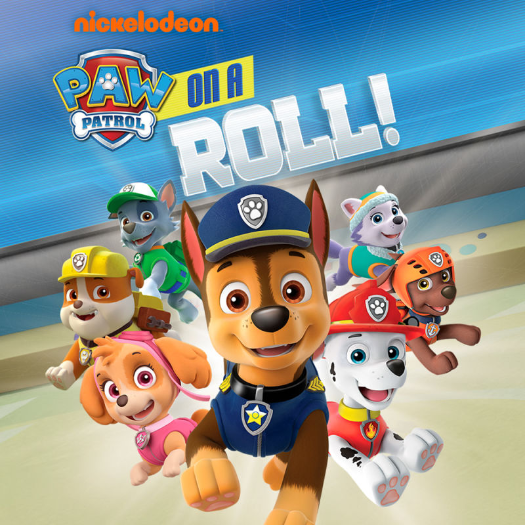
My kids love Paw Patrol. They’ve been Marshall for Halloween, they’ve got a whole mess of the toys. They’ve watched countless hours of the show. Needless to say, when I saw that a game based around the show was due for release, I knew that one way or another it would find its way into my house. While it’s a pretty simplistic platformer, my kids greatly enjoyed it despite its flaws.

I'm not too familiar with the point-and-click genre, so I wasn't sure what to expect when I recieved a review code for My Brother Rabbit. From what I do know, having played through the excellent Tormentum: Dark Sorrow and about an hour or so of Double Fine's Broken Age, I doubt My Brother Rabbit is breaking new ground, but it has some cool features. Find out why I think the positives and negatives of My Brother Rabbit result in an average game by watching the included video review or read the text review, if you'd prefer.
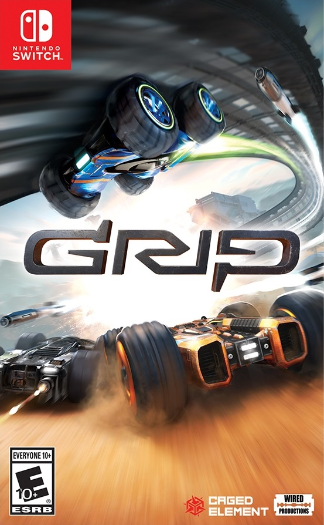
There’s something imminently attractive about Grip. Between its sharp visuals, thumping soundtrack, and high speed intense racing, it’s easy to be drawn in, even from just viewing its trailer. When you do finally sit down to play it, the experience proves to be equal parts frustrating and fun. For every brilliant and unique aspect of Grip, there’s some negative measure to offset it.
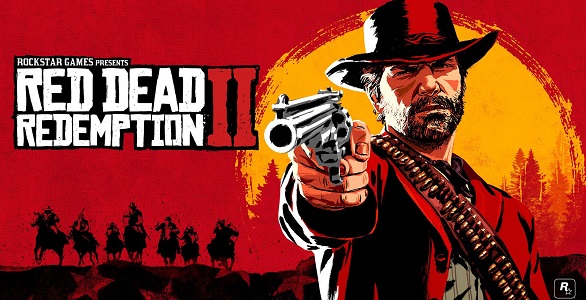
So after eight years, Rockstar has finally released a follow up to their beloved sandbox Western Red Dead Redemption. The game is a critical darling, has outsold the entire Metroid franchise in two weeks, and all seems right in the world. Yet, I found quite a few issues that many reviews were mitigating or did not bring up which kept me from personally having fun. To the point where seven hours into Red Dead Redemption, I called it quits. This will not be a review, just offering my two cents for those on the fence.
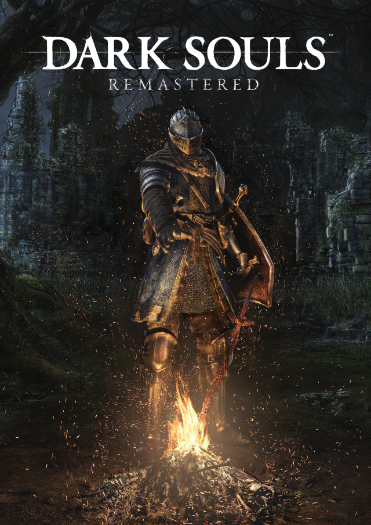
Nine years ago, I reviewed Demon’s Souls, and I’ll just say that at the time… I wasn’t a fan. I struggled to wrap my head around the gameplay and what made it special absolutely eluded me. Despite my contempt, when Dark Souls went on deep discount, I couldn’t resist the sale and grabbed a copy. Perhaps it was fate, but purchasing Dark Souls that day set into motion an obsession I never expected to take hold of me.
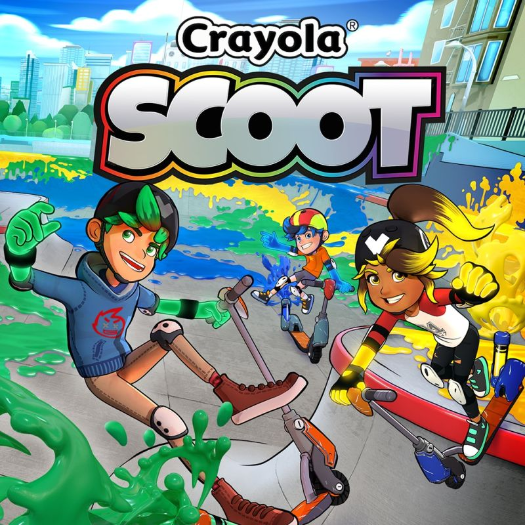
If you were to assume Crayola Scoot is a shovelware title not even worth a look, I wouldn’t blame you. But in this particular instance, you’d be mistaken. As it turns out, it’s a well done extreme sports title in the vein of Tony Hawk or Skate, with a hefty dose of Splatoon influence as well. With depth, variety, and a sizeable number of challenges, there’s plenty on offer in Crayola Scoot to bring in those that have been pining for a new skateboarding experience (though I’ll admit using a scooter is much less cool).
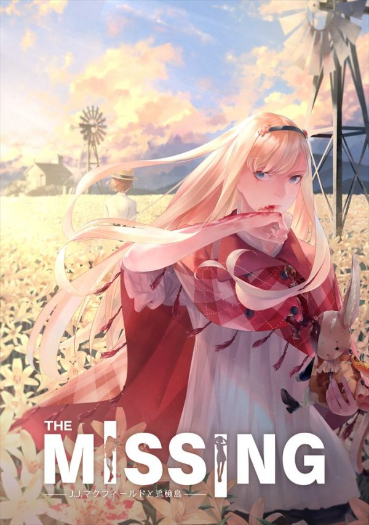
The Missing is one of those games that forces you to immediately reflect on the entire experience once the credits roll. As the game comes to a close you’re presented with some truths that reshape your understanding of everything you’ve seen. To properly discuss The Missing, delving into the details of the ending is necessary. It reframes the entire adventure and it’s why this game is worth playing.